
JOURNEY
On the factory floor
For more than seventy years, craftsmanship has been at the heart of Wendelbo. Today, it continues to evolve through the hands of the people who bring each design to life at our production facility in Ho Chi Minh City.
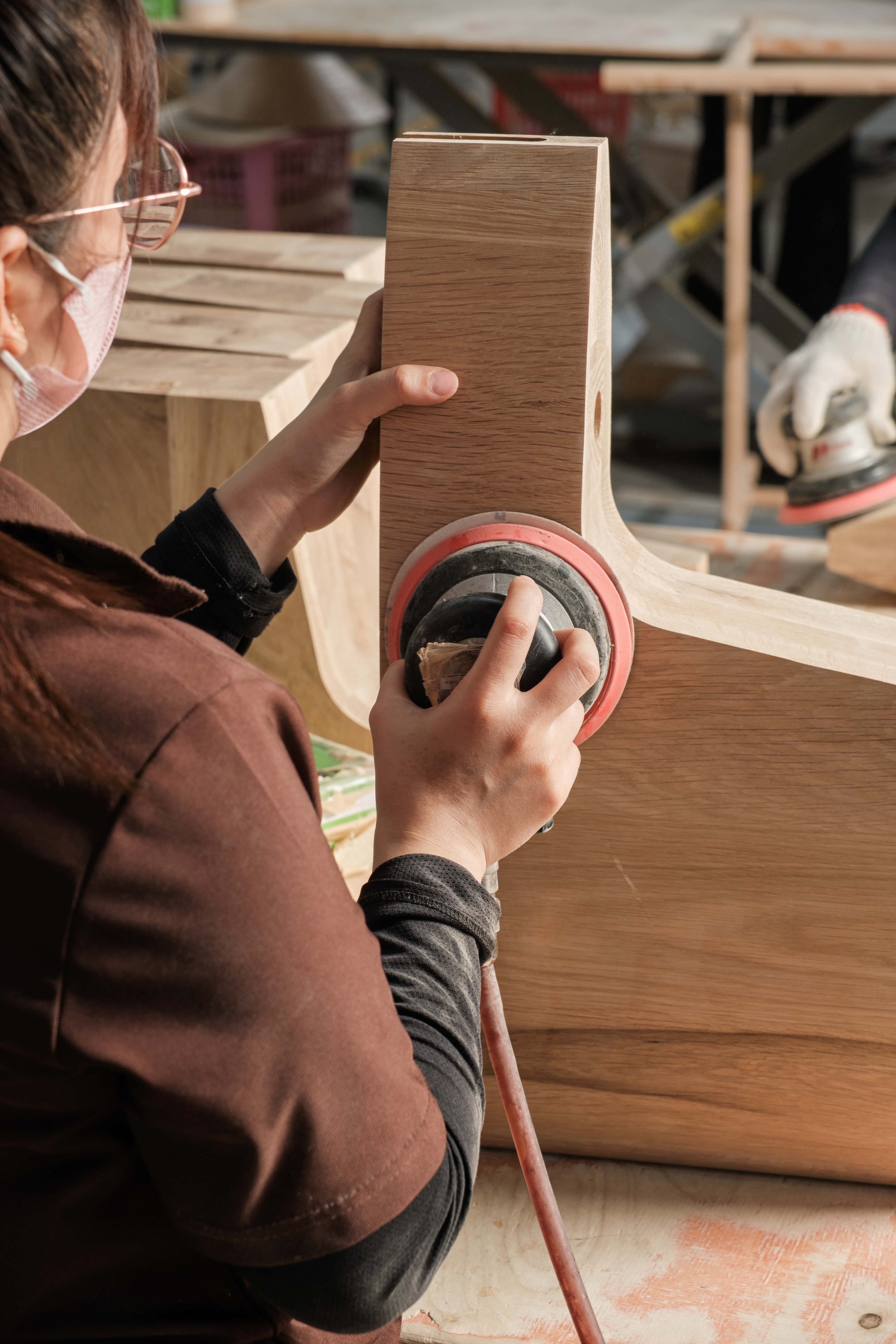
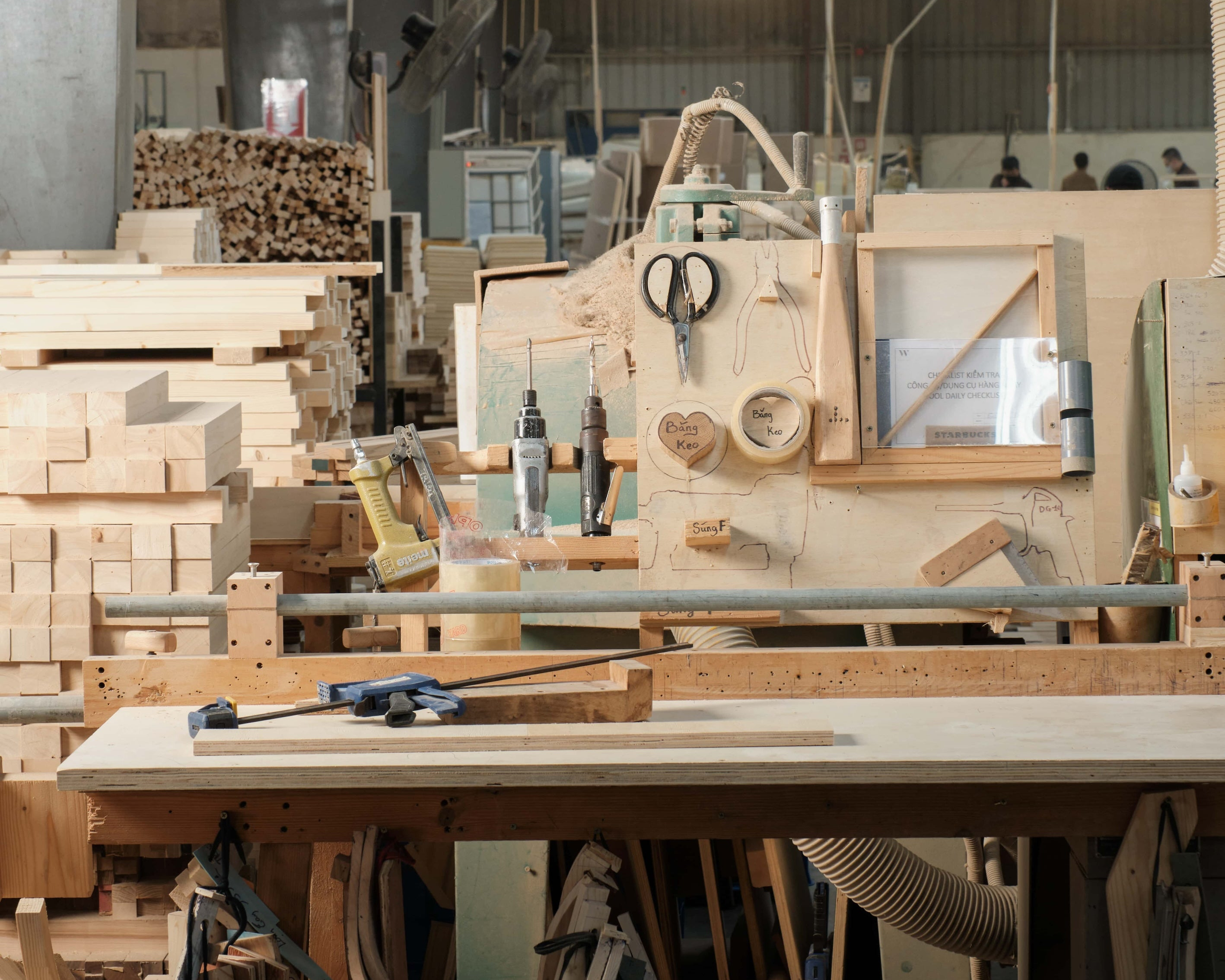
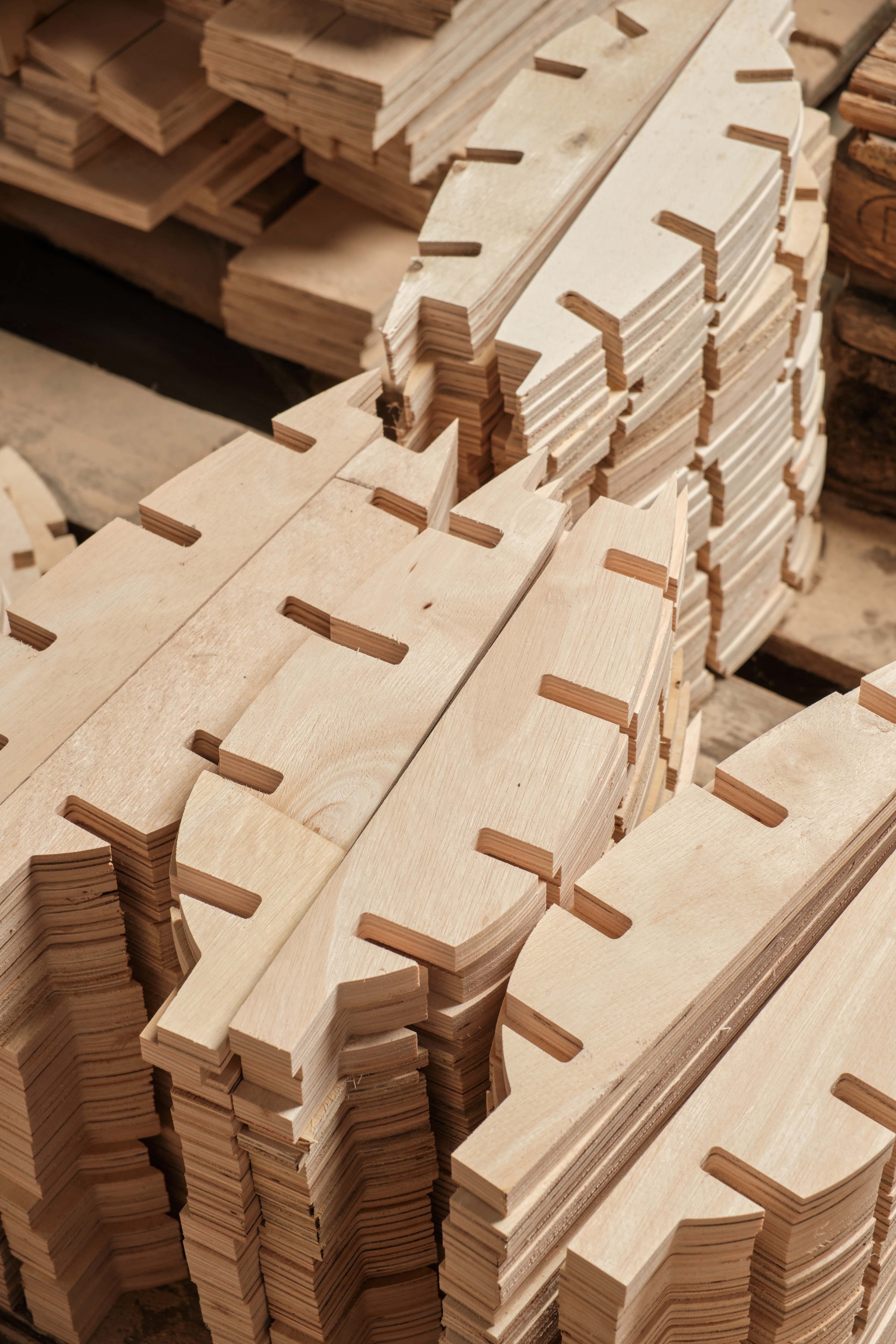
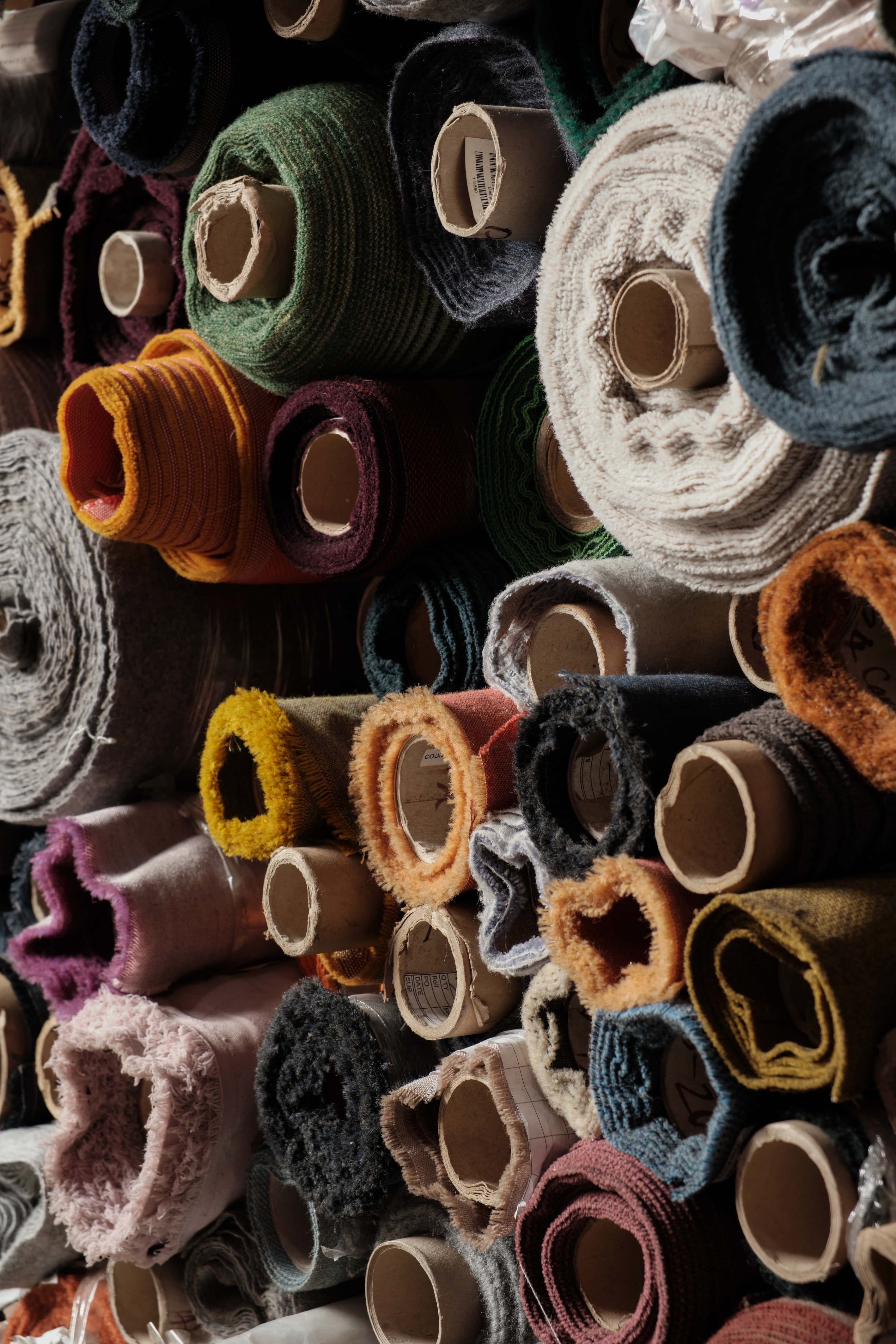
A first-time visit can feel almost overwhelming. Across the factory floor, wooden frames, upholstered armrests, rolls of fabric and half-finished sofa modules move steadily between departments, while trolleys weave through the aisles and the steady hum of sewing machines is punctuated by the occasional crack of a pneumatic stapler. Fans beside each workstation stir the warm air as people work, and for someone visiting for the first time, it is difficult to imagine how all of these individual parts will eventually come together.

Revealing the rhythm
It takes a little while before the rhythm of the place begins to reveal itself. What at first feels almost like watching an anthill gradually starts to make sense. Every unfinished piece is already on its way somewhere else, every trolley has a destination, and every person seems to know exactly where the next pair of hands is waiting. What first appears busy – even slightly chaotic – is, in reality, remarkably well organised.
Wendelbo's story began in Denmark in 1955, when upholsterer Tage Petersen founded a modest upholstery workshop on a belief in craftsmanship and quality. More than fifty years later, his son and daughter-in-law, Lars and Christina Wendelbo, moved to Ho Chi Minh City to establish the company's own production in Vietnam.
As a trained upholsterer himself, he knew that the quality of a piece of furniture would always depend on the people making it.
As a trained upholsterer himself, he knew that the quality of a piece of furniture would always depend on the people making it. The first employees were trained by Lars and a small team of experienced upholsterers, laying the foundations for the knowledge and craftsmanship that continue to be passed from colleague to colleague today.
Mastering the craft
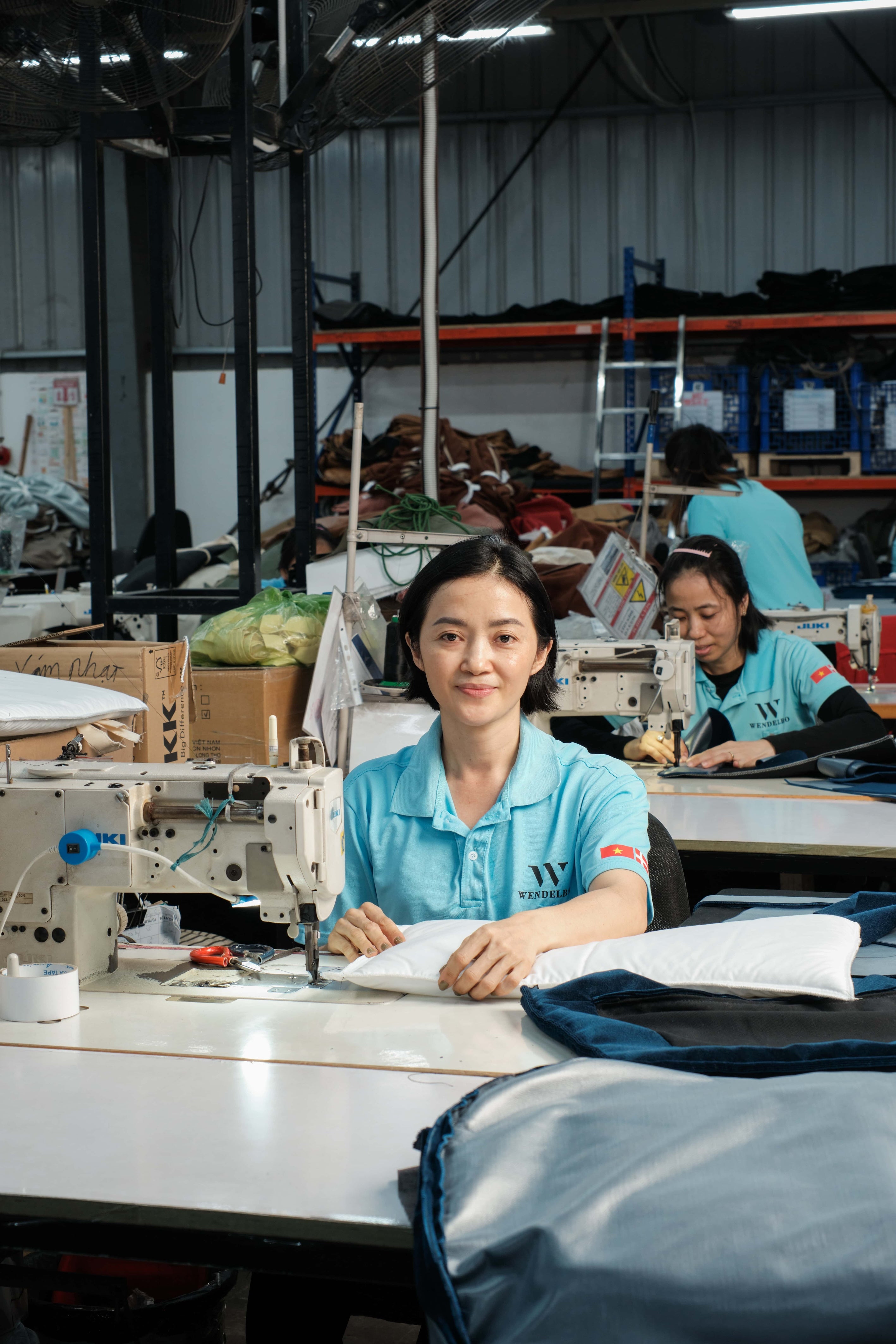
In the sewing department, the team is easy to recognise by their turquoise T-shirts. Beside Mrs Giao's sewing machine, neat piles of leather are stacked ready for the next project, while finished covers are folded carefully before continuing their journey through production.
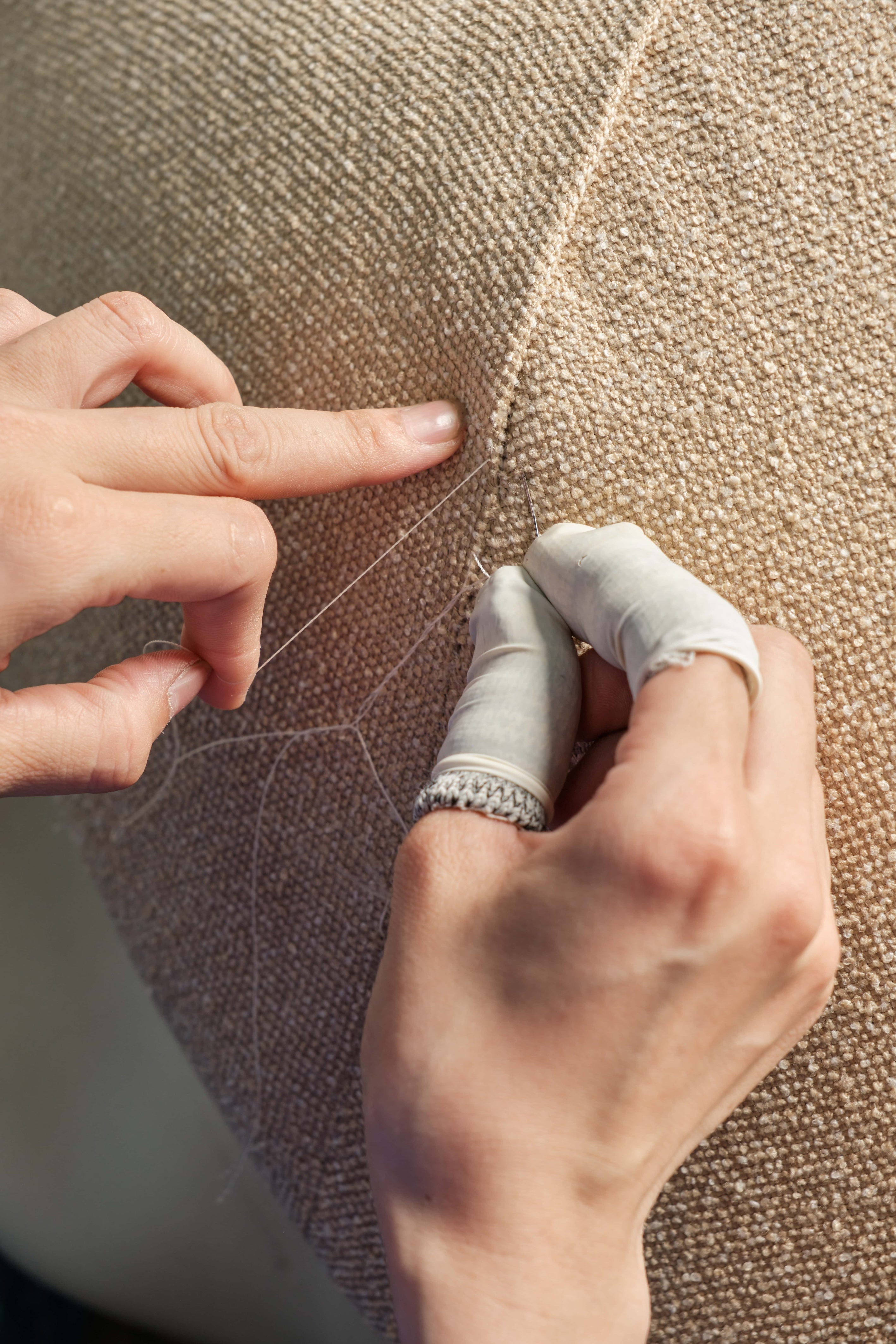
Giao has worked at Wendelbo for fourteen years. When she first joined the company, she only knew how to sew clothes. "I thought sewing was just sewing," she says with a subtle smile. "Then I realised furniture was something completely different. I still enjoy the pieces that make me stop and think." Today, she is trusted with some of the most complex upholstery in the collection.
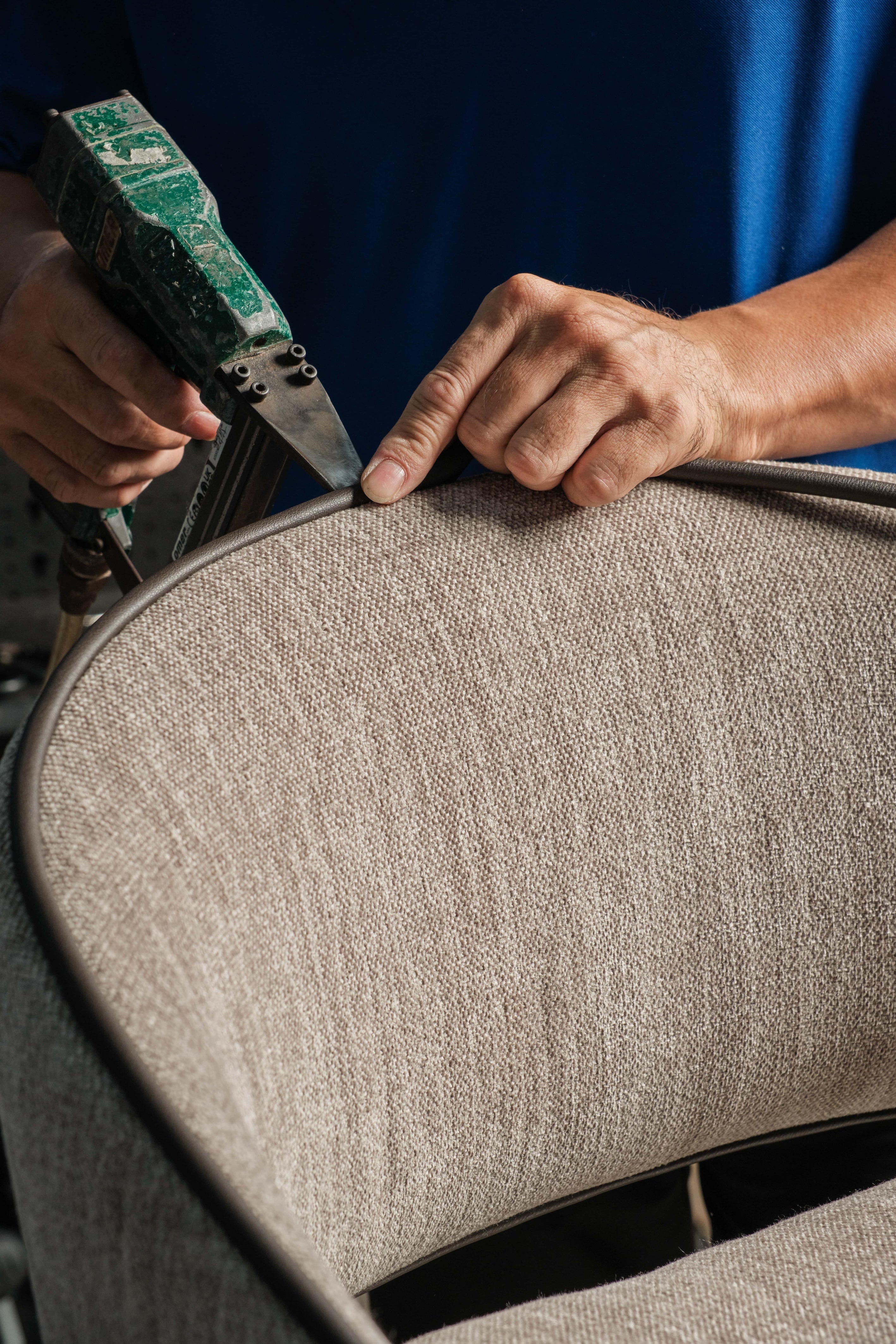
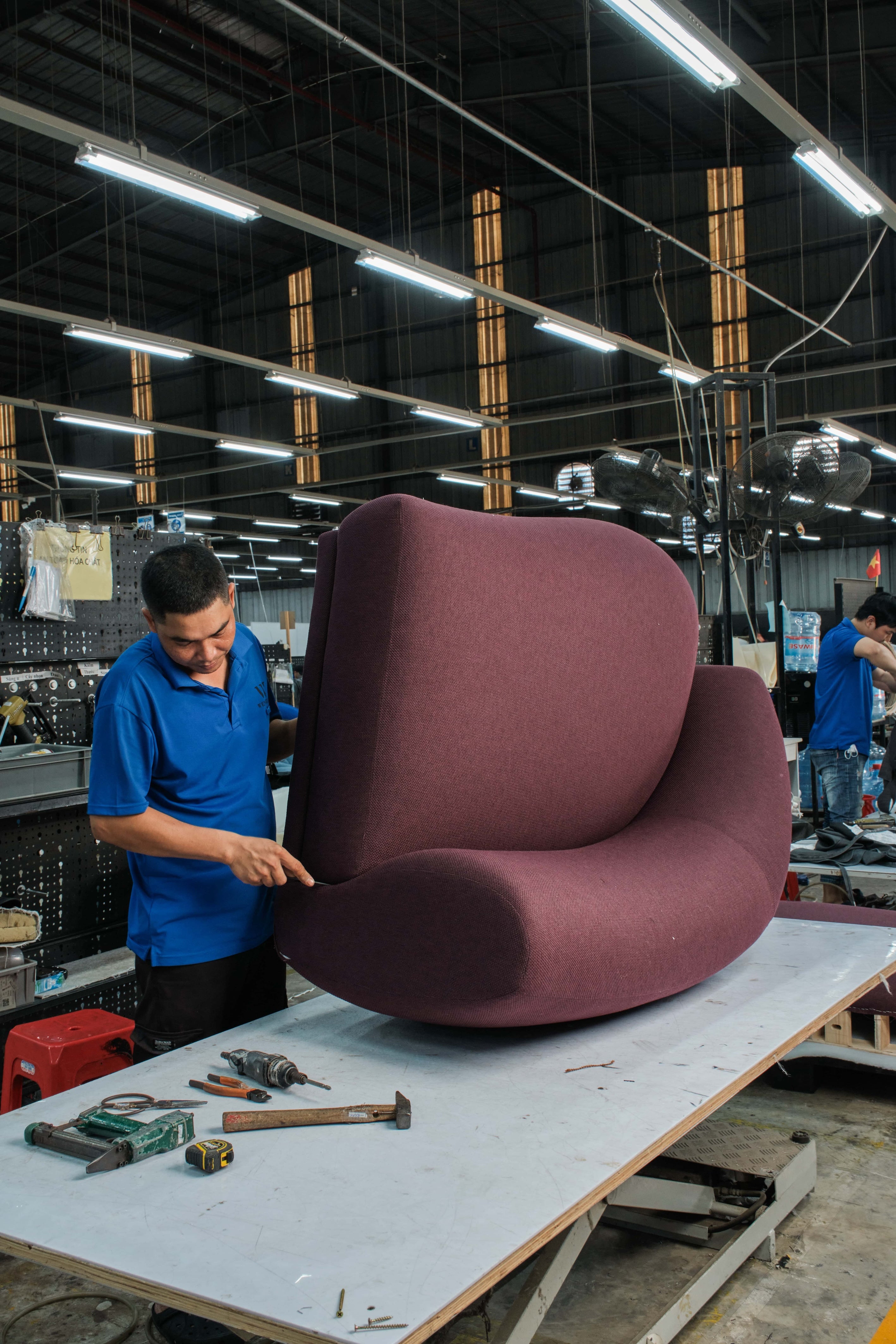
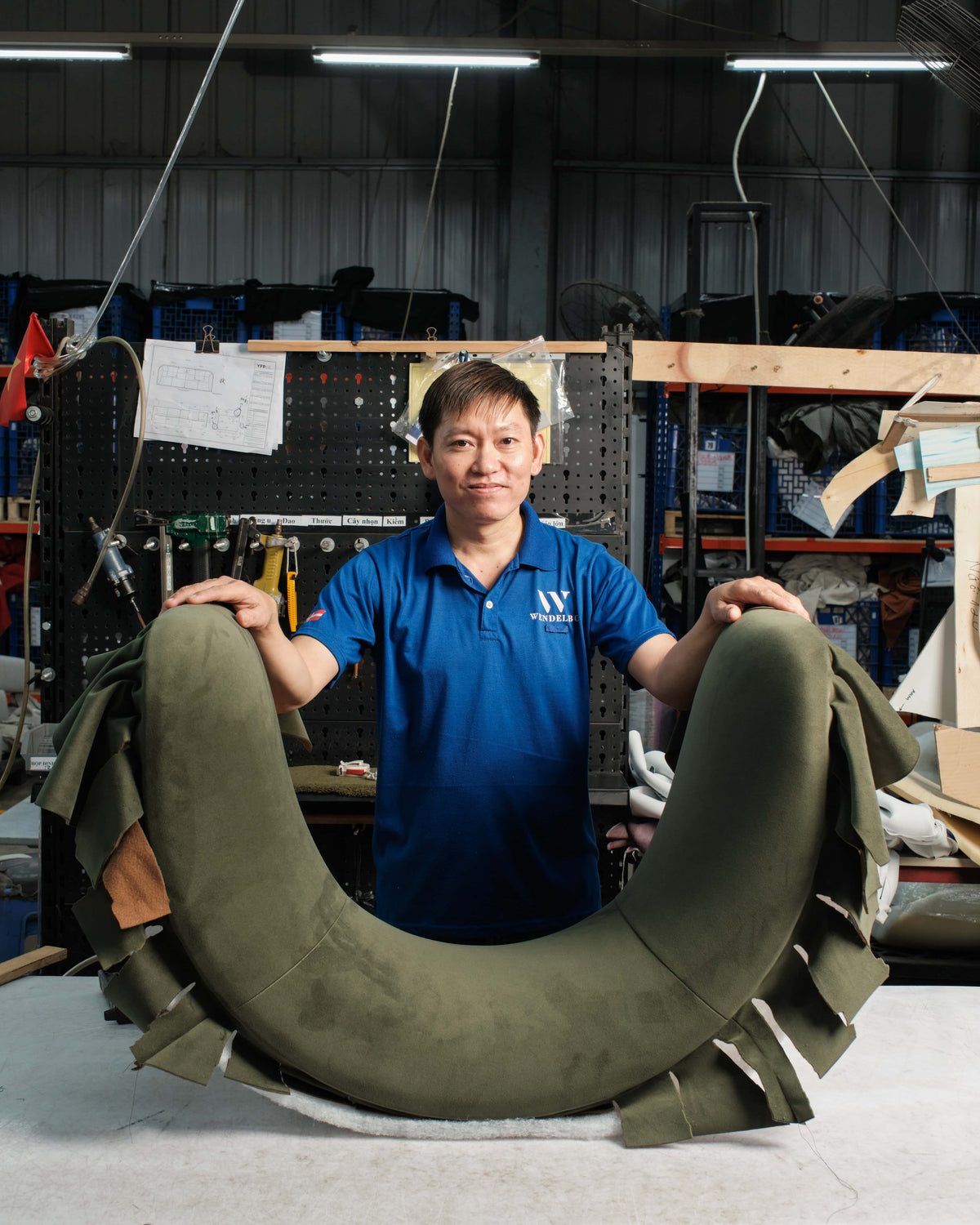
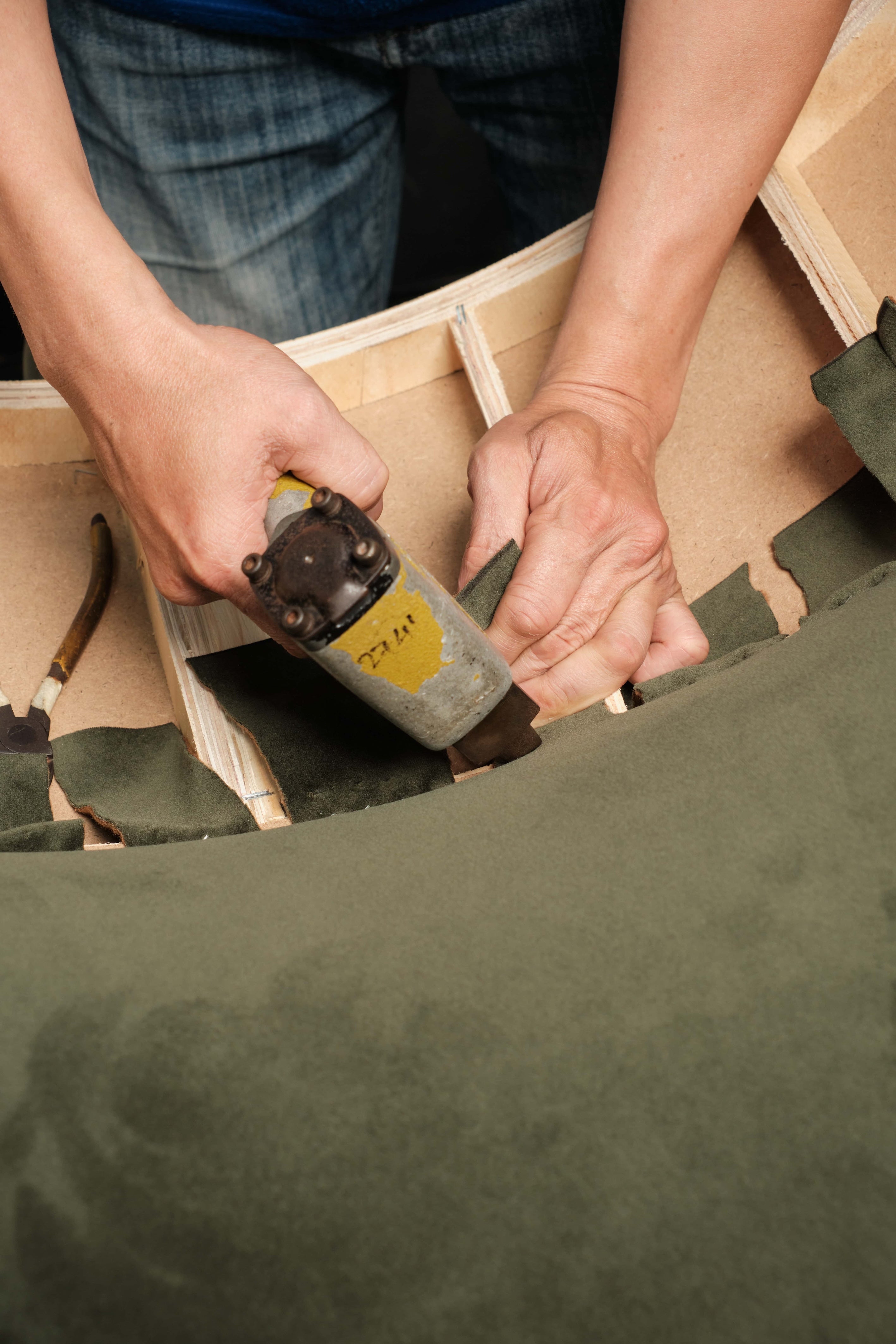
A few rows away, Mr Vui adjusts the height of the worktable holding the back of a lounge chair before reaching for his tools. They are always in the same place, and after eight years he rarely needs to look before picking up exactly the one he needs. Every now and then he presses the upholstery firmly with the palm of his hand before smoothing the fabric with his fingertips, working patiently until the folds sit exactly as intended. "I like the pieces that take a little longer," he says. "They're usually the ones that teach you the most."
Many of the people working here arrived with little or no experience in furniture making. Skills are developed gradually, one model at a time, by working alongside colleagues who have spent years refining their own craft.
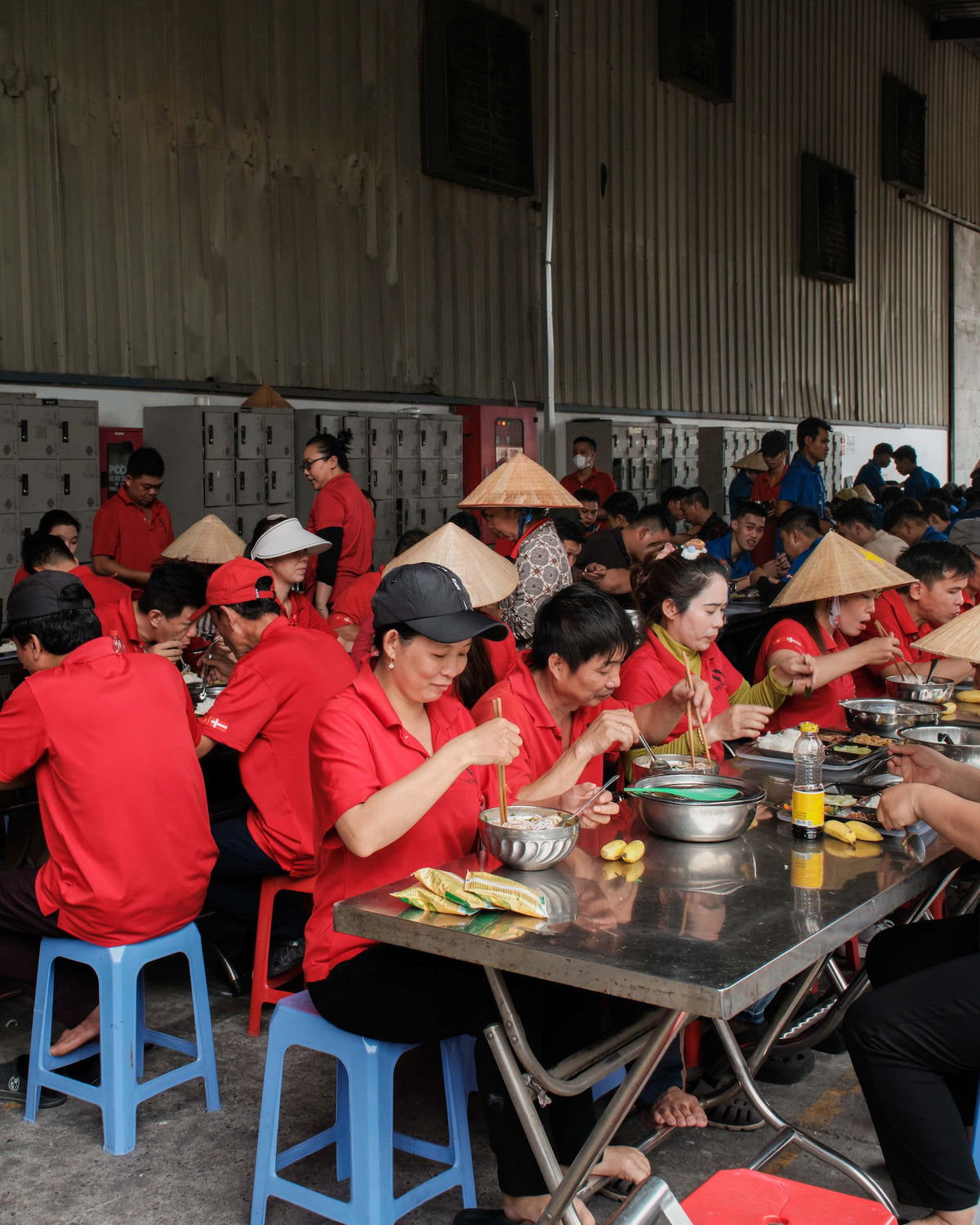
Just before noon, the atmosphere changes as people leave their workstations and make their way towards the outside canteen. For a while, the sounds of machinery give way to easy conversation between colleagues before the same steady flow quietly returns in the opposite direction.
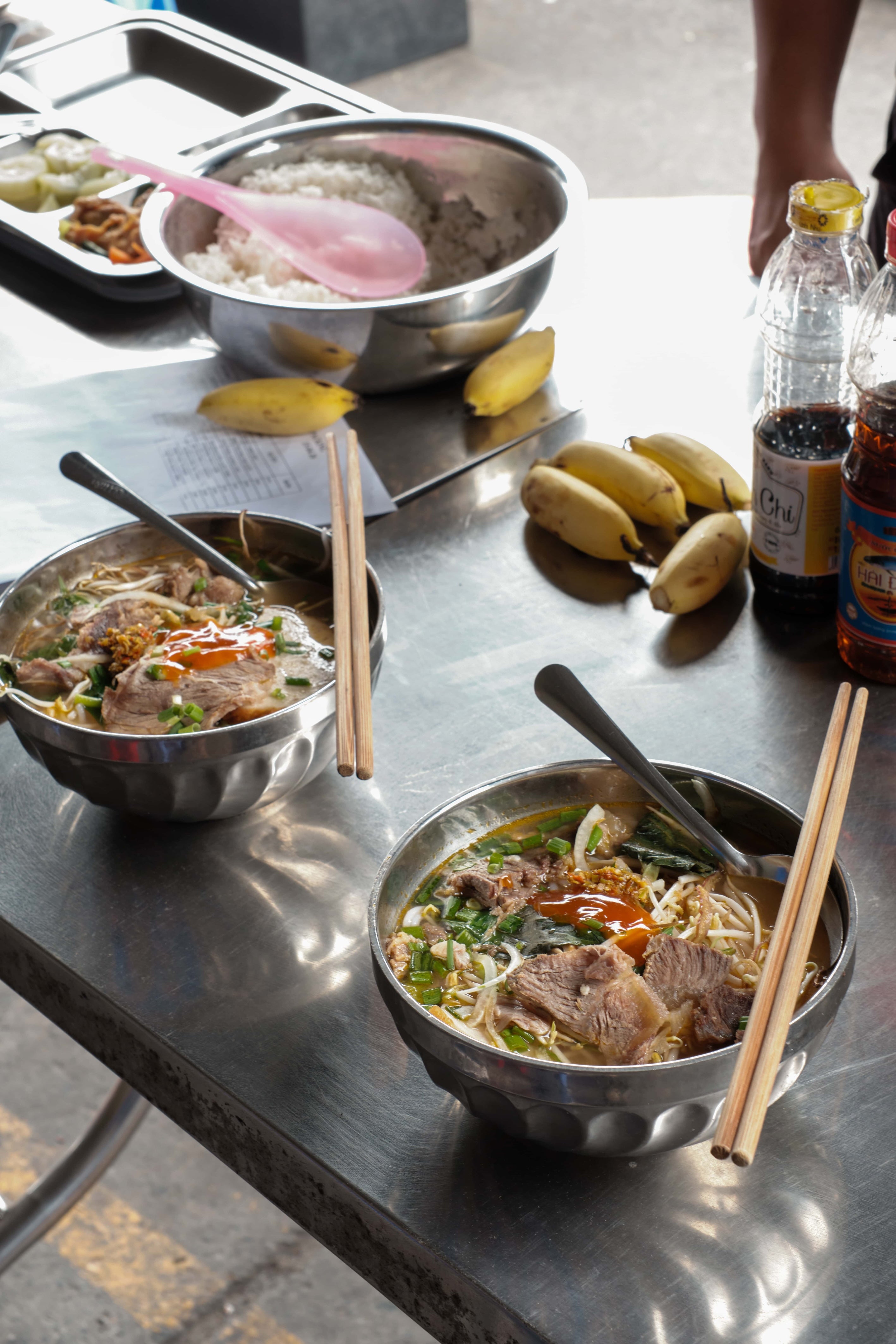
Across the courtyard
As work resumes, the rhythm of the production floor falls naturally back into place. Across the courtyard, in the second production hall, timber is cut, shaped and assembled into the frames that later make their way to upholstery. Here, Mr Dinh is back at his workstation where a stack of Kin Coffee Table bases is lined up beside him, each waiting for the next stage of assembly.
Before fastening the final tabletop to the base, he reaches for a tape measure to check the measurements one last time. "The first time I was given one of the difficult models, I wasn't sure I could do it," he says. "Now they're the ones I hope I'll be assigned. Looking back, it's satisfying to realise how much you've learned without really noticing it."
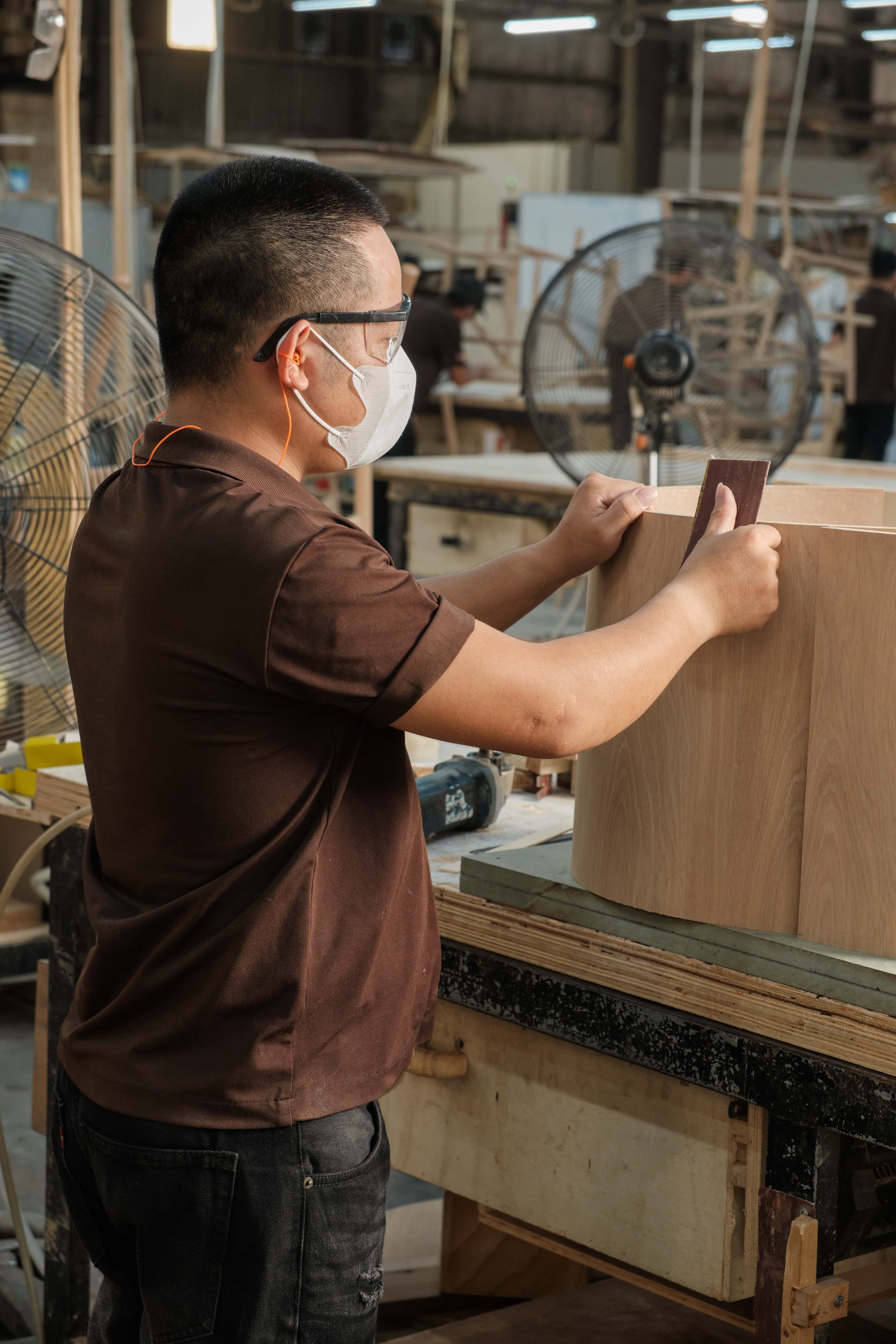
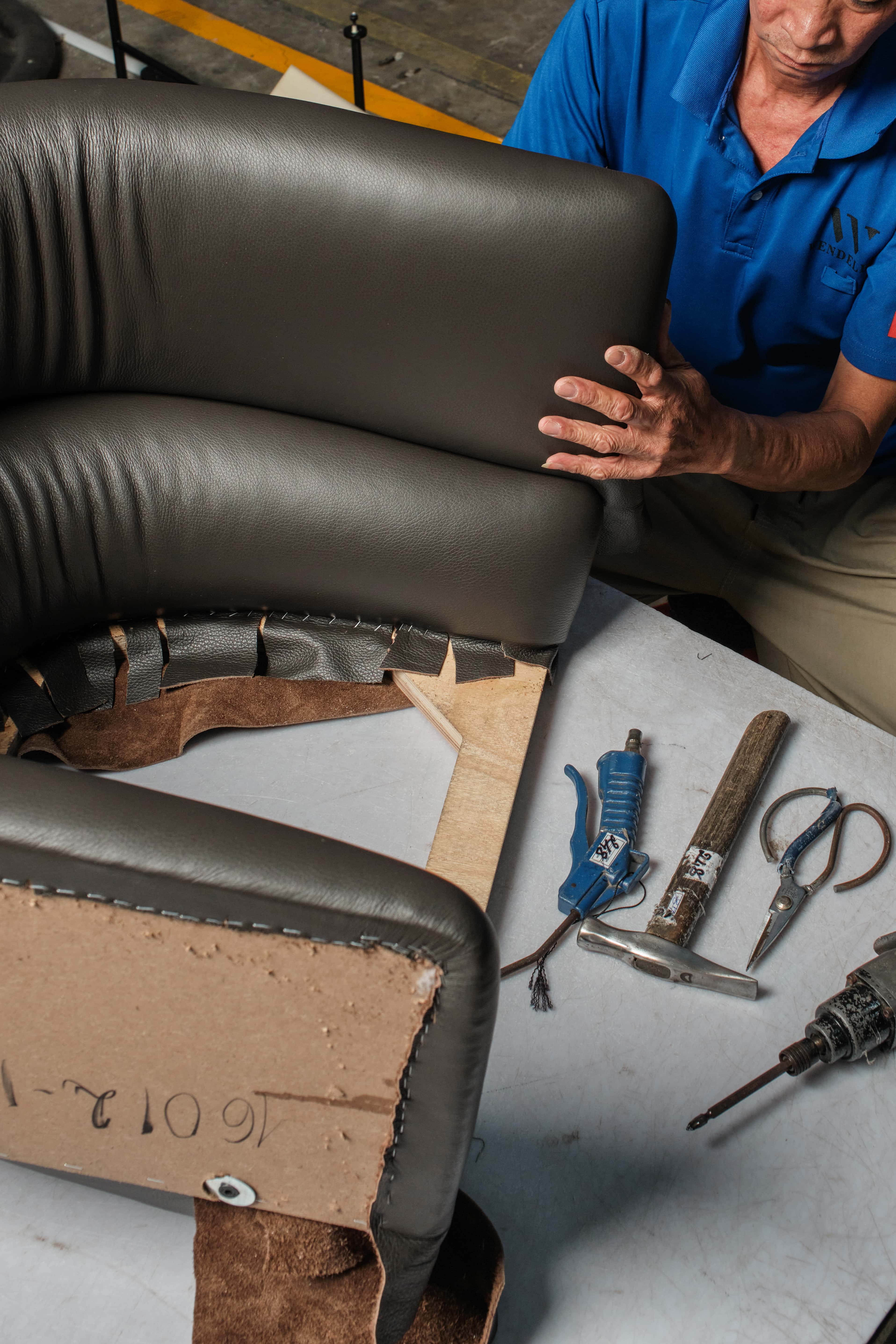
Spend enough time walking through production and one thing becomes increasingly clear. While every Wendelbo design begins with a single sketch, no one person ever makes the finished piece. It passes through dozens of hands before leaving the factory, each department adding something before passing it on to the next.
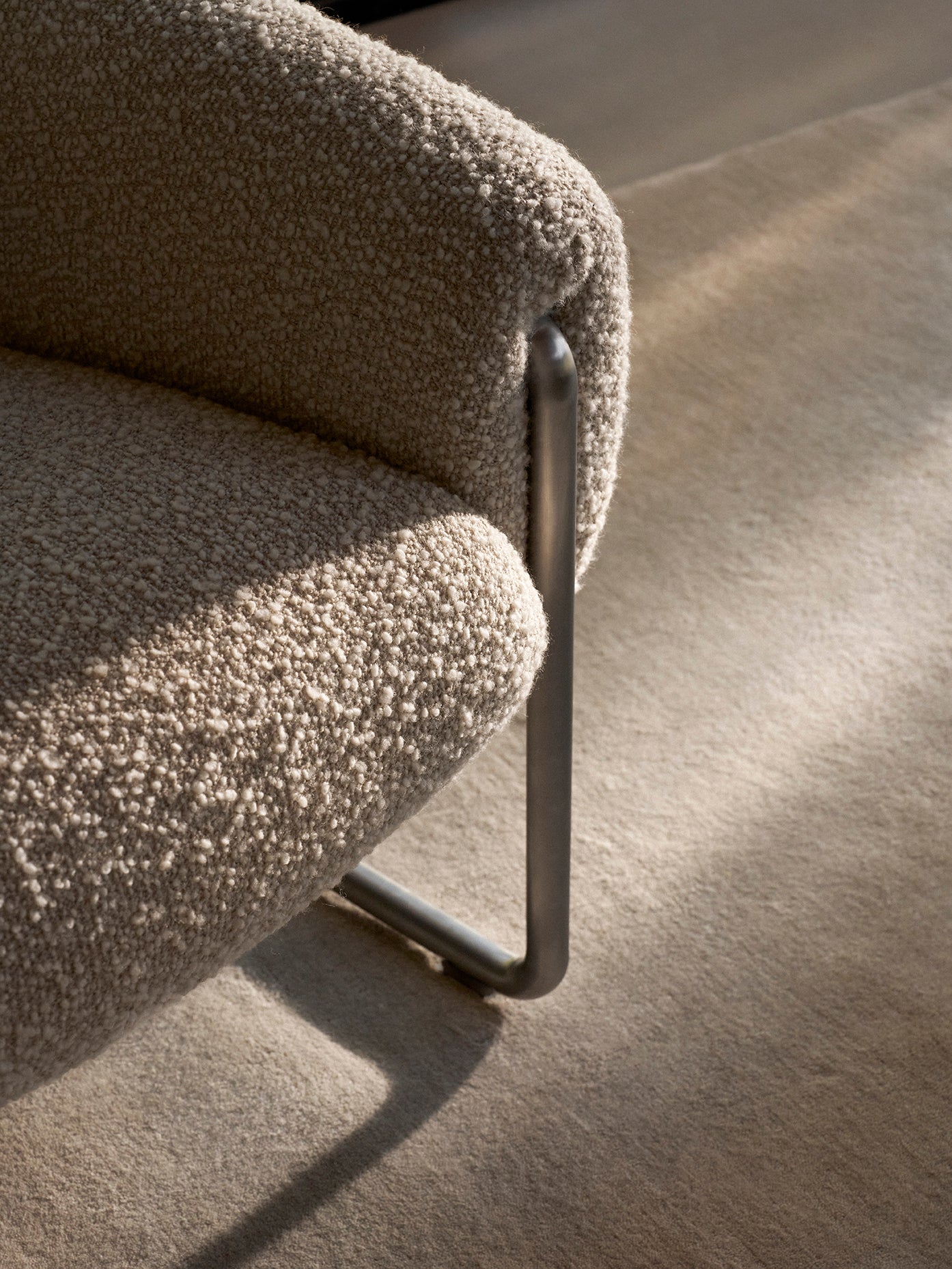
That is perhaps what stays with you after leaving. Not simply the scale of the production, impressive as it is, but the number of people behind every piece and the experience they bring with them. Much of it remains invisible to the people who will eventually live with the finished furniture, yet it is there in every seam, every joint and every carefully considered detail.