
JOURNEY
Where craftsmanship flourishes at scale
In 2007, Wendelbo's production in Vietnam began with a team of just 20 people. Today, the facilities in Ho Chi Minh City span 25,000 square metres, bringing hundreds of skilled employees, specialised machinery and almost every stage of production together in one place. Behind that growth lies years of investment – in technology, people and processes.

The first stitches
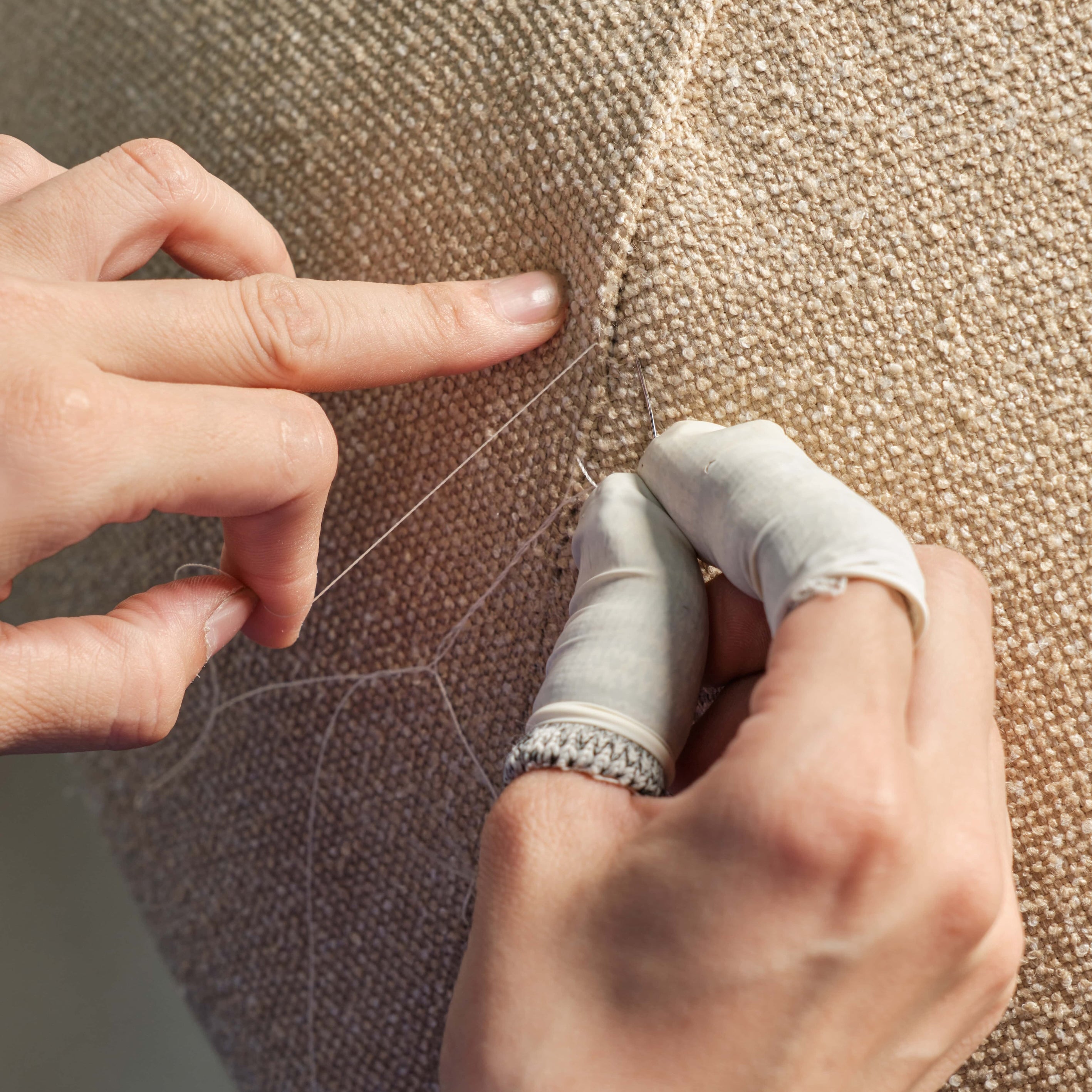
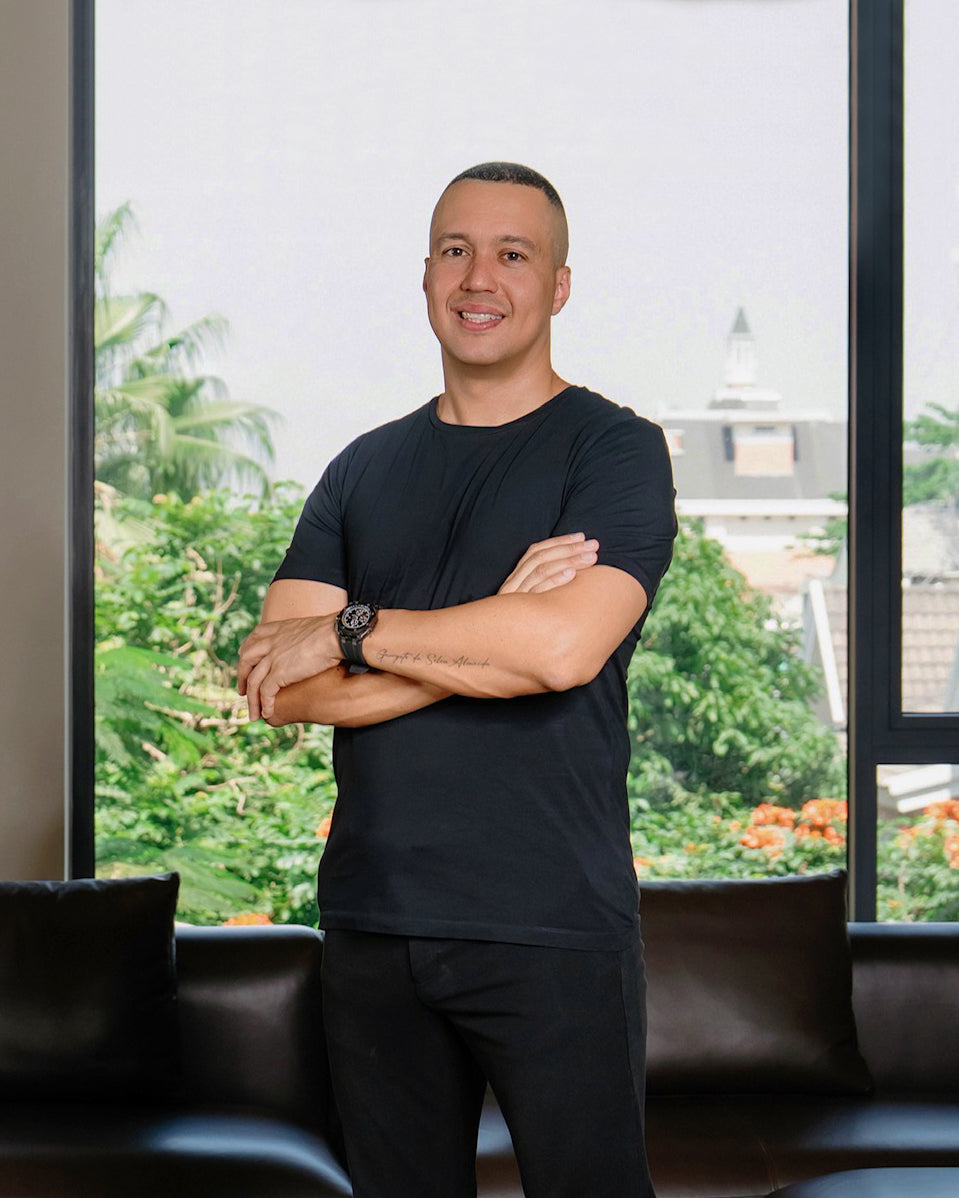
When Lars and Christina Wendelbo moved to Ho Chi Minh City in 2007 to establish Wendelbo's own production, the company had come a long way from the small family run upholstery workshop founded in Denmark in 1955. The first employees in Vietnam were trained in the upholstery skills and attention to detail that had shaped Wendelbo from the beginning. After Lars returned to Denmark, his son, Christian da Silva Wendelbo, took over the daily management of the production and has led it ever since.
"The growth has happened step by step, so when you're in the middle of it every day, you don't necessarily think about how much has changed," Christian says. "But when I look at the production today and think back to where we started with 20 people, it's quite a difference."
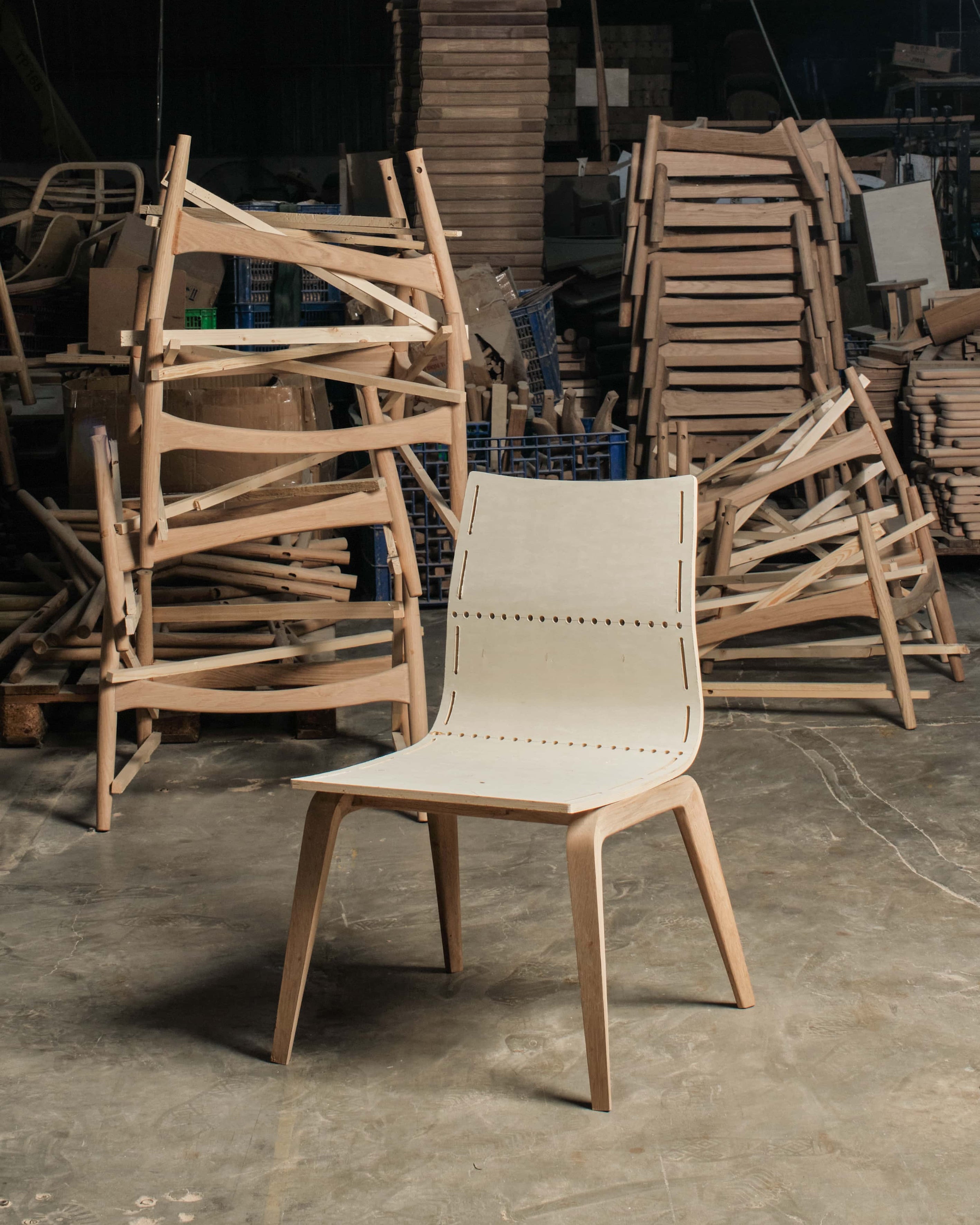
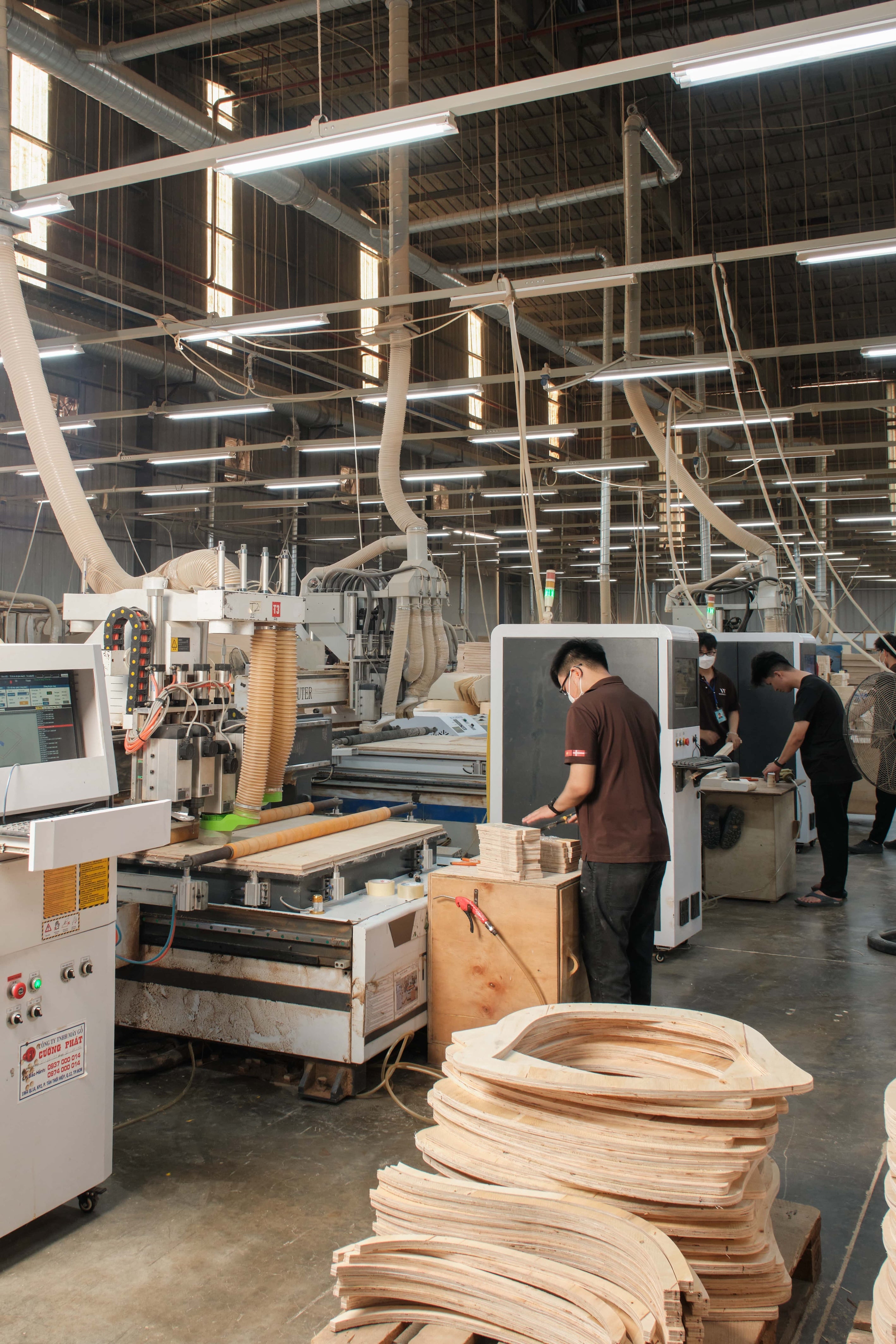
Today, two large production halls form the heart of the facility, with the major stages of production kept in-house – from woodworking and cutting to sewing, upholstery and assembly. Over the years, new machinery and technology have been introduced alongside the skills and experience of the people working here.
Changing the pace
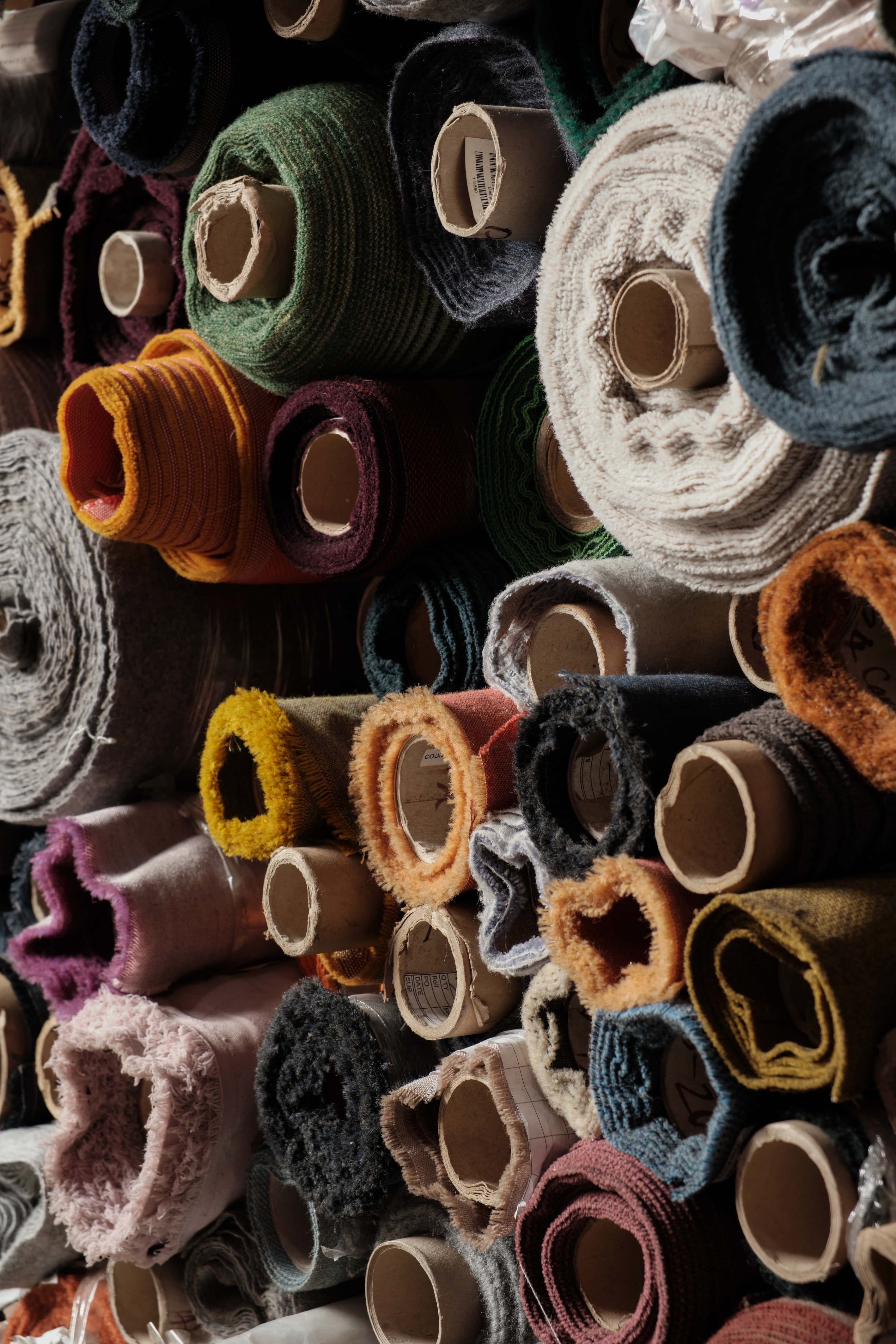
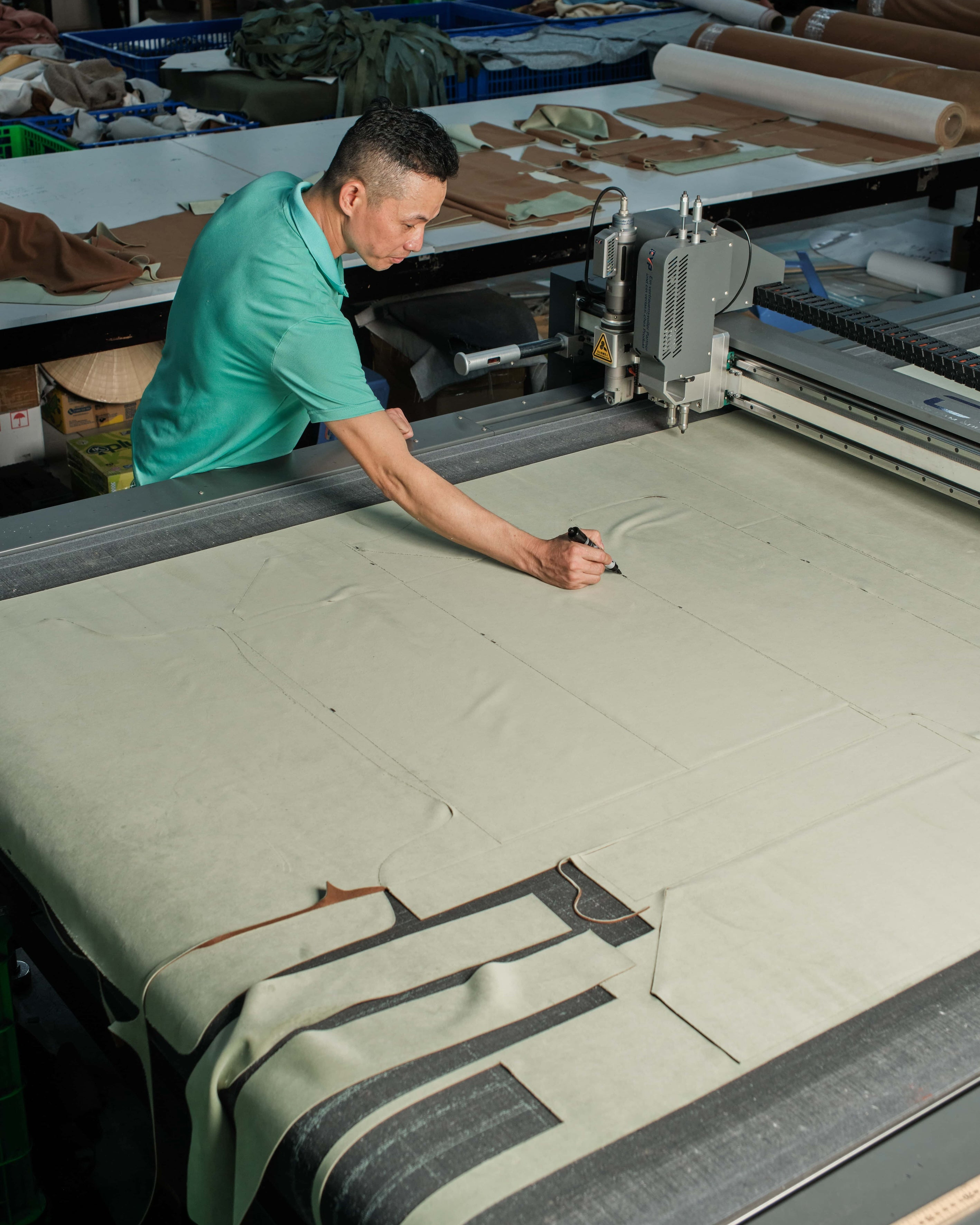
In wood production, 4-axis CNC machinery cuts and shapes components with consistent precision, while automated cutting systems in upholstery calculate how to make the best use of each roll of fabric or hide of leather. Timber offcuts are also put back to use, with smaller pieces joined and pressed into new material rather than discarded.
For Christian, these investments are less about automation itself than what they can improve. "A new machine has to solve something for us. It might give us better precision, use less material or make a repetitive job easier. But there are also parts of furniture making where you need someone's hands, eyes and experience. You don't want to automate that away."
Over time, investments like these have changed both the pace and capacity of the production. More can be made with greater consistency and better use of materials, while the craftsmanship that defines the finished piece remains firmly at its core.
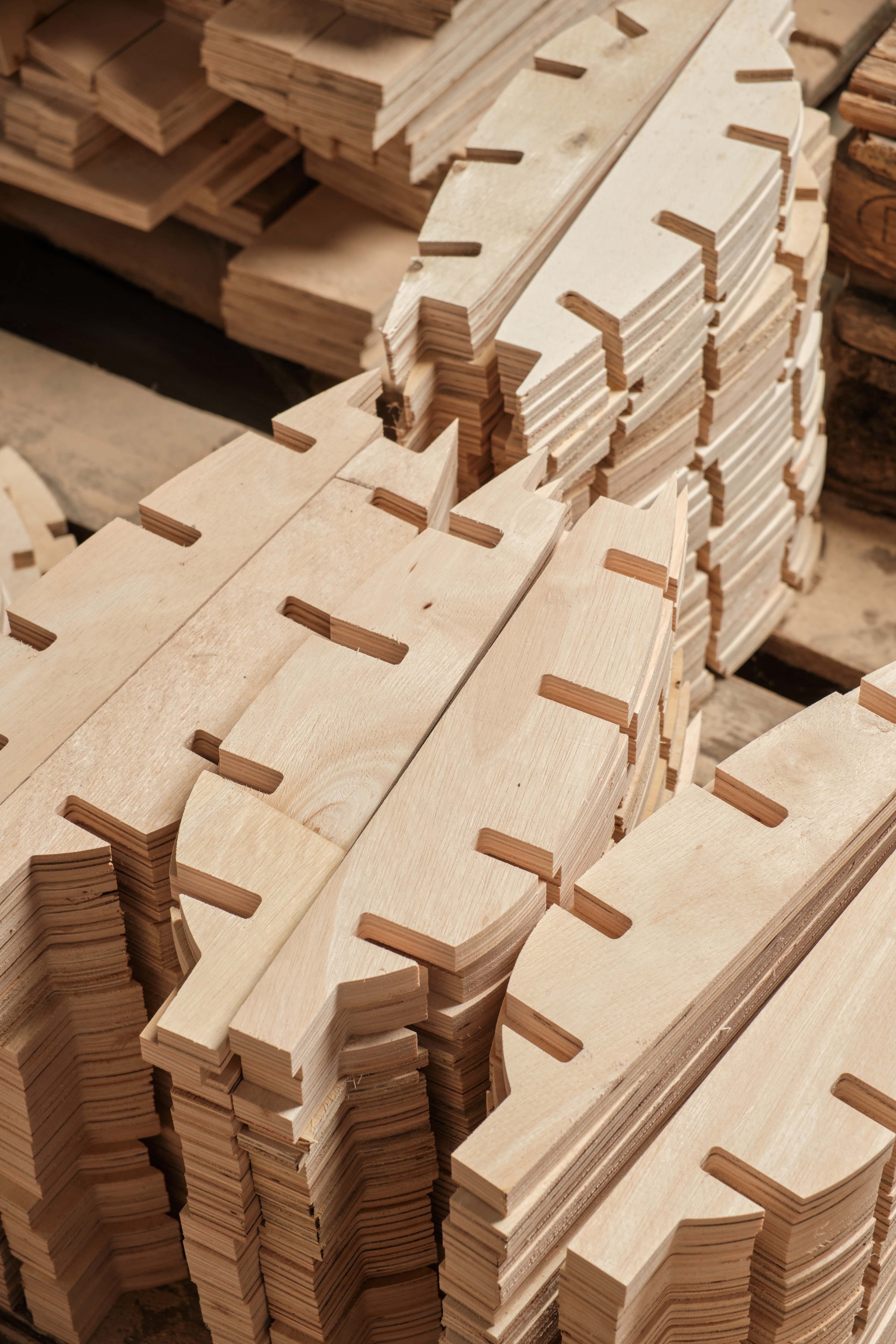
"But there are also parts of furniture making where you need someone's hands, eyes and experience. You don't want to automate that away."
- Christian da Silva Wendelbo
People knowing their craft
Keeping the major processes in-house gives Wendelbo the flexibility to move quickly from development to production. New designs can be tested and adjusted directly with the teams working in wood, sewing and upholstery, without depending on a long chain of external suppliers. And as demand changes, production can scale from smaller runs to complex projects involving hundreds of pieces.
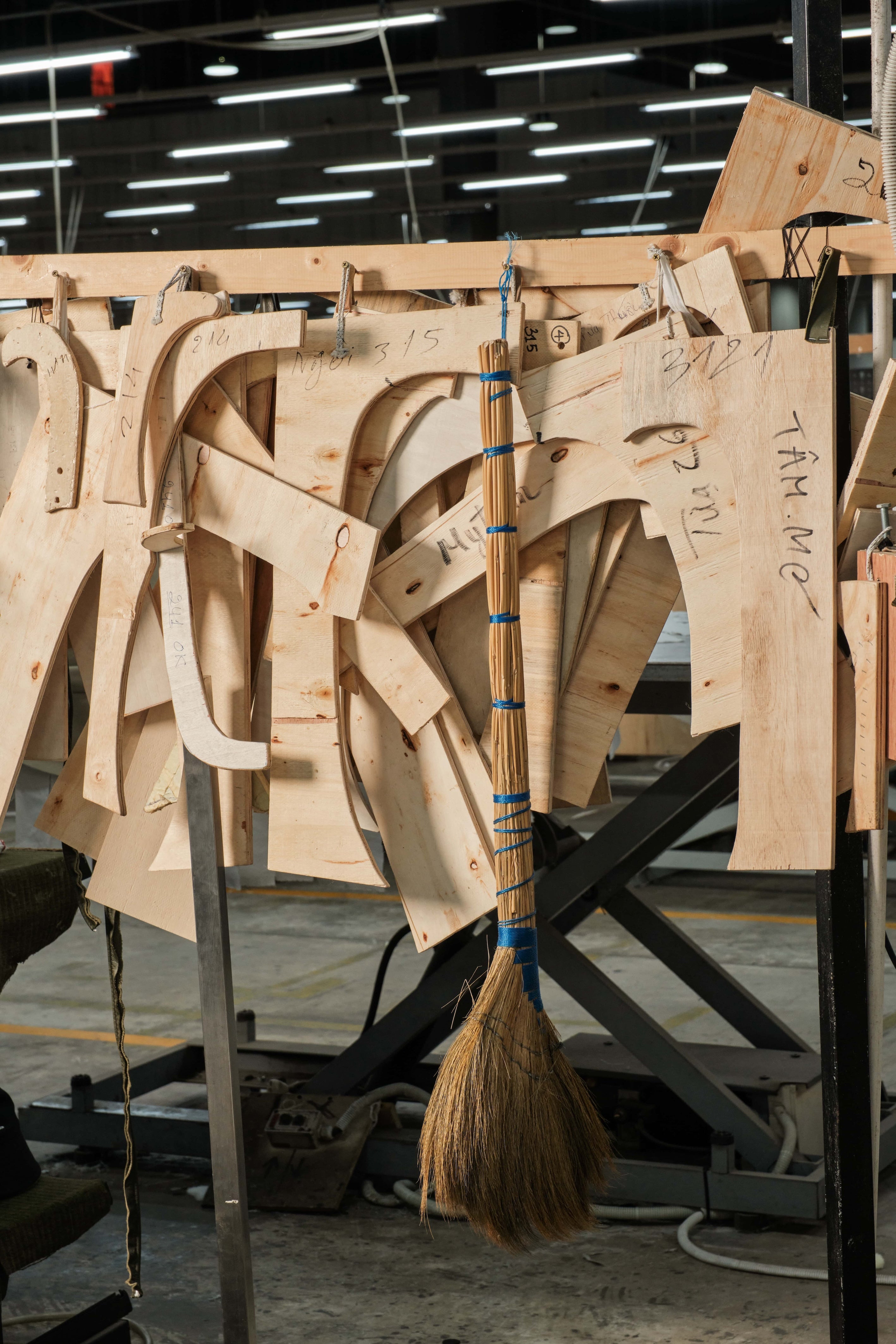
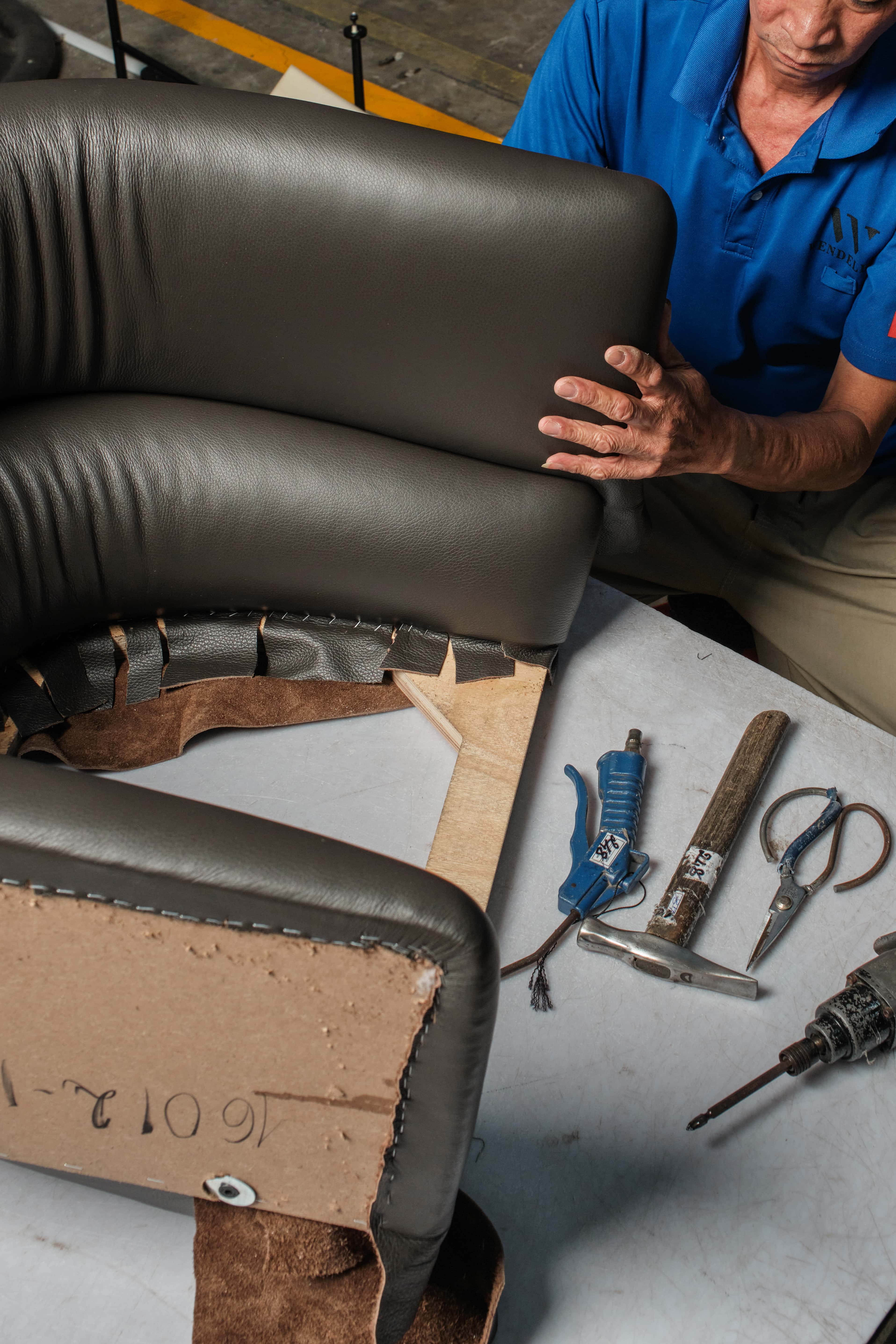
The production has changed considerably since those first 20 employees began working together in 2007. The machinery is more advanced, the capabilities broader and the scale entirely different. What has not changed is the belief that good furniture ultimately depends on skilled people knowing their craft. The difference today is everything that has been built around them.