


CLIMATE
Energy, waste and product data
This page outlines our current work to improve our understanding of waste, energy use and greenhouse gas emissions across our operations and products.
WASTE
Managing production waste
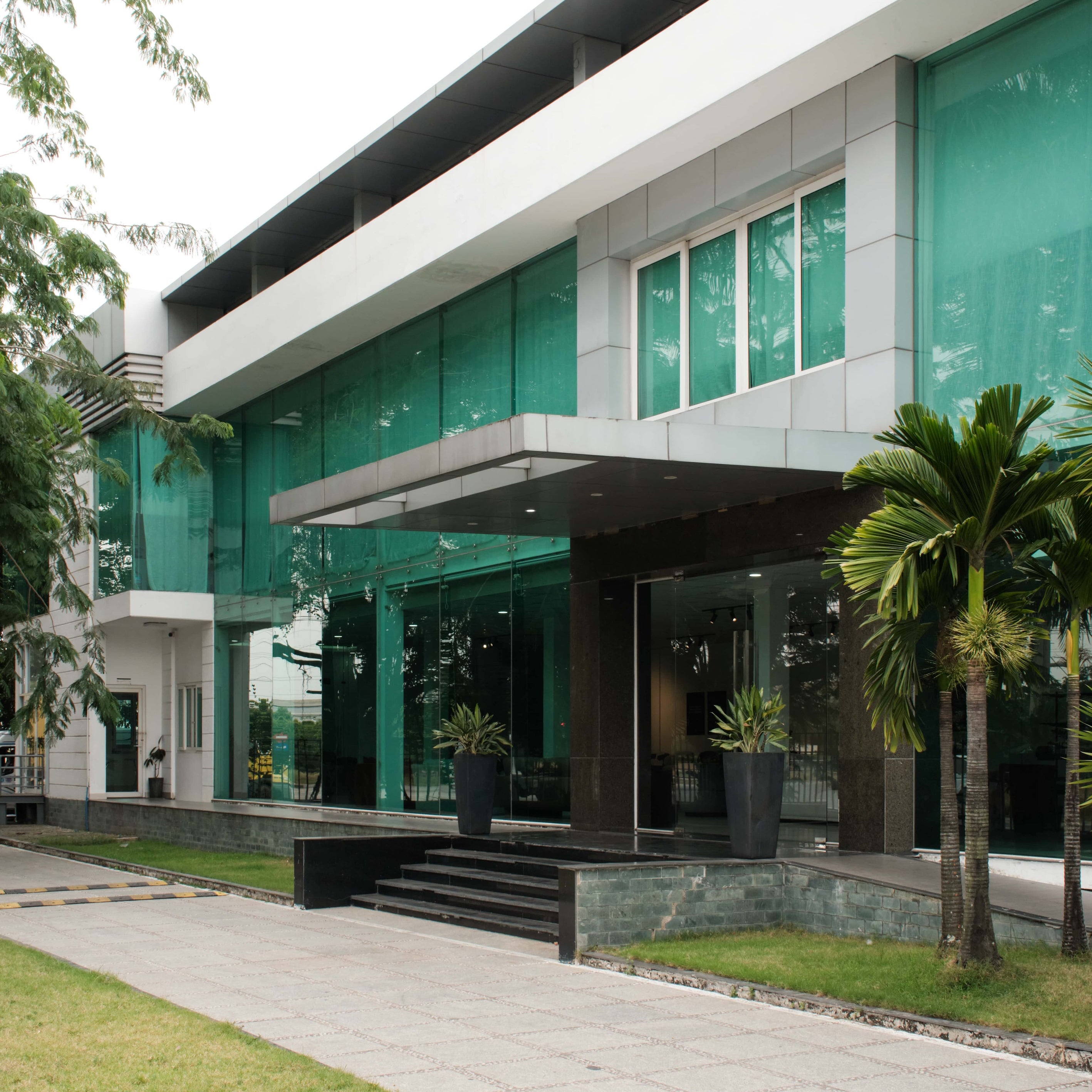
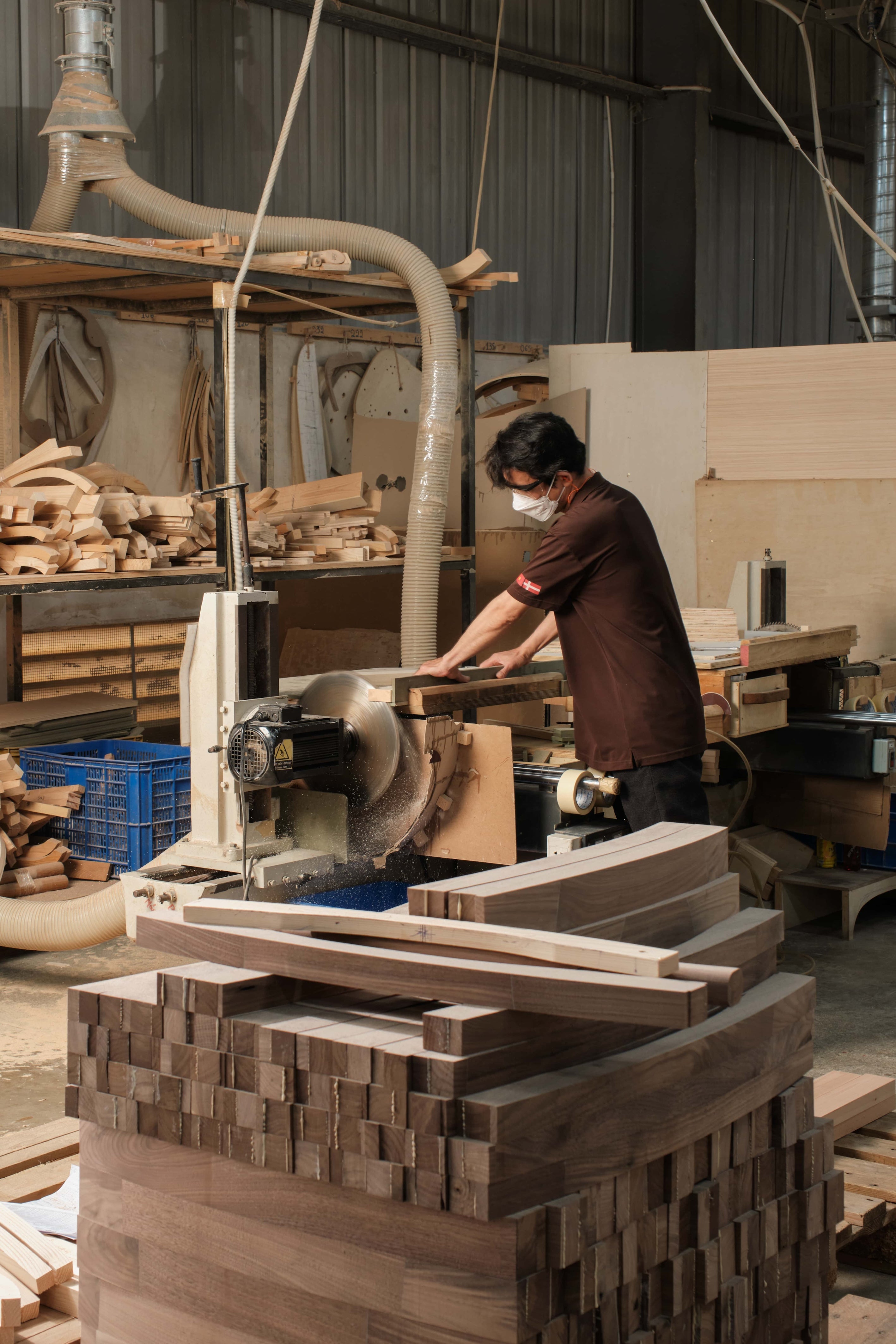
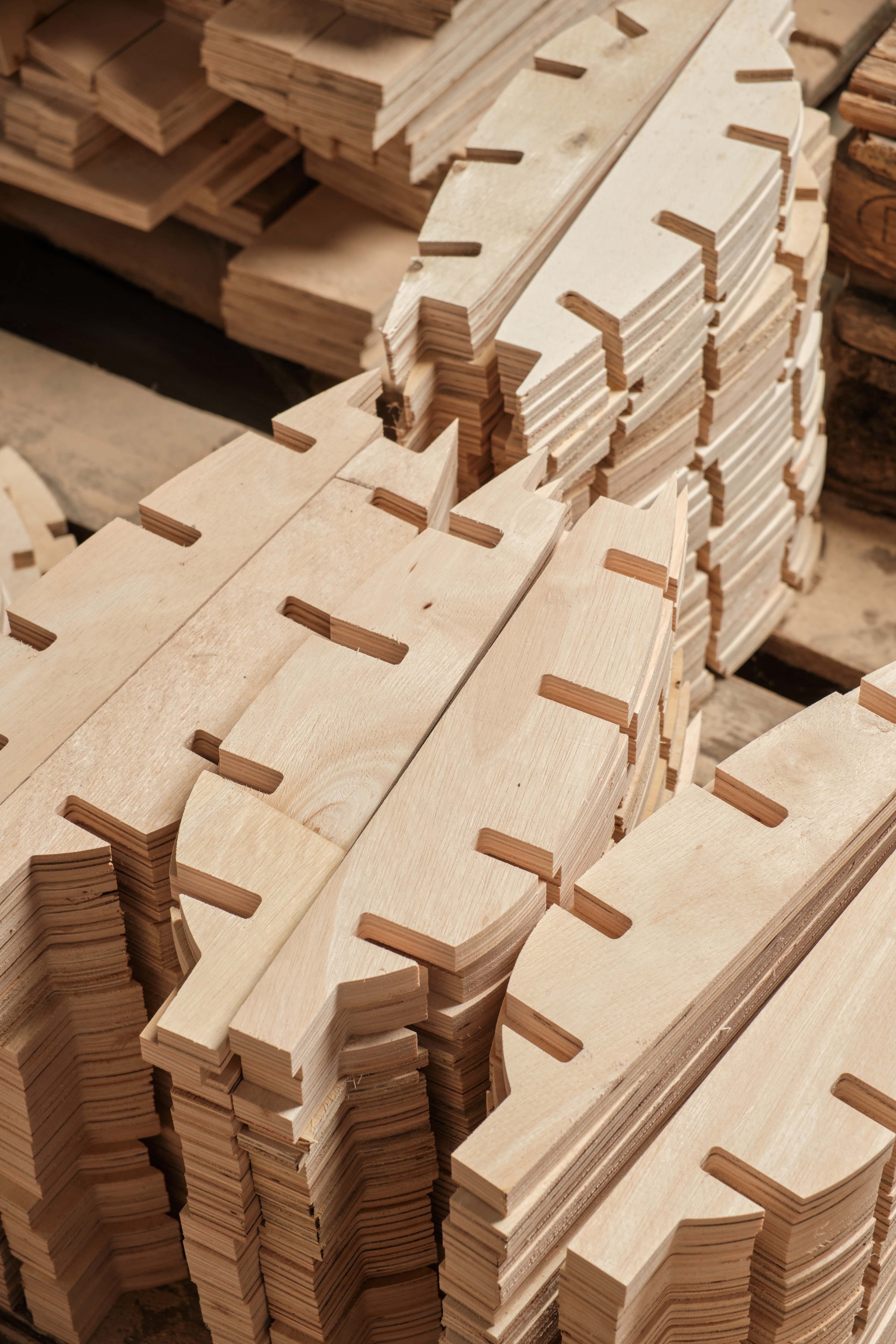
At our production site in Vietnam, waste is sorted into defined categories and recorded by weight. The main waste streams include wood residues, textile offcuts, foam, leather, cardboard, metals, general waste, and hazardous waste. The recorded waste streams are separated by category before being collected by or sold to an external waste-handling partner.
Once the waste leaves our site, its treatment depends on the material and the receiving partner. We are currently consolidating the relevant documentation so that we can distinguish accurately between material recycling, energy recovery, and other forms of treatment.
A clearer understanding of each waste stream will allow us to identify where the documentation is complete and where further work is needed.

IMPACT
Understanding our carbon footprint
Operational CO2 emissions
We are developing a clearer overview of the greenhouse gas emissions associated with our operations. This work is ongoing and is currently used for internal analysis.
Renewable electricity
In 2025, the electricity purchased for Wendelbo’s Danish headquarters and showroom was covered by a renewable electricity agreement.
In 2025, our on-site solar panels supplied approximately 55% of the electricity consumed at Wendelbo SEA. The remaining 45% was supplied from the electricity grid.
Understanding product climate impact
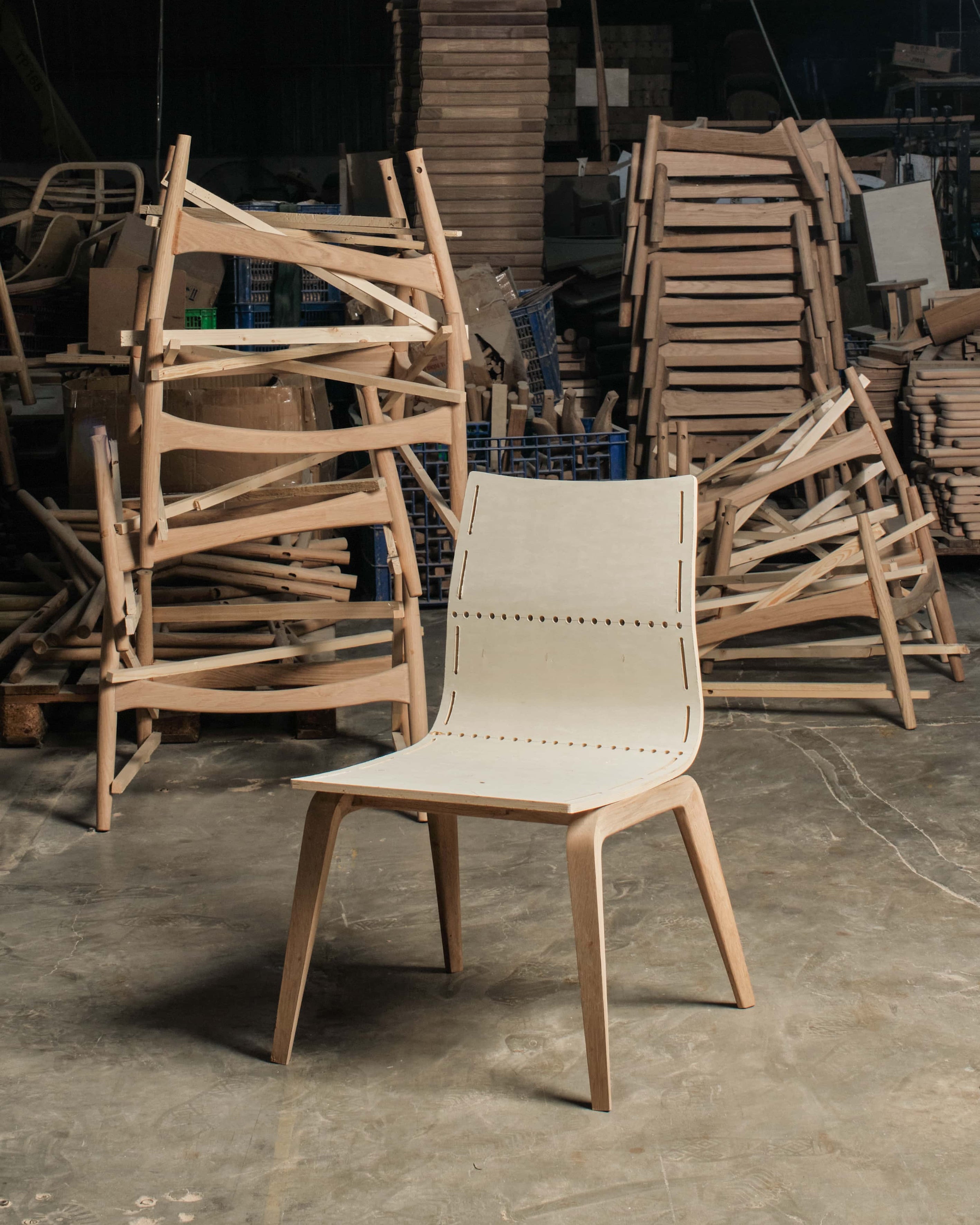
We are working to build a clearer understanding of the materials used in our products and their estimated climate impact. For this work, we use Målbar LCA, a digital tool developed by the Danish company Målbar to structure, calculate and compare product-level environmental data.
The tool follows a structured life cycle assessment methodology based on the European Commission’s Product Environmental Footprint framework. It combines product-specific information with recognised LCA datasets, defined system boundaries and documented assumptions to model impact across the product life cycle – from raw materials and manufacturing to transport, use and end-of-life.
The screenings provide an internal basis for comparing products, identifying gaps in our data and exploring where changes to materials, construction or sourcing may reduce their climate impact. During 2026, we are working to complete screenings across all our product families.