

JOURNEY
A contemporary counterpoint
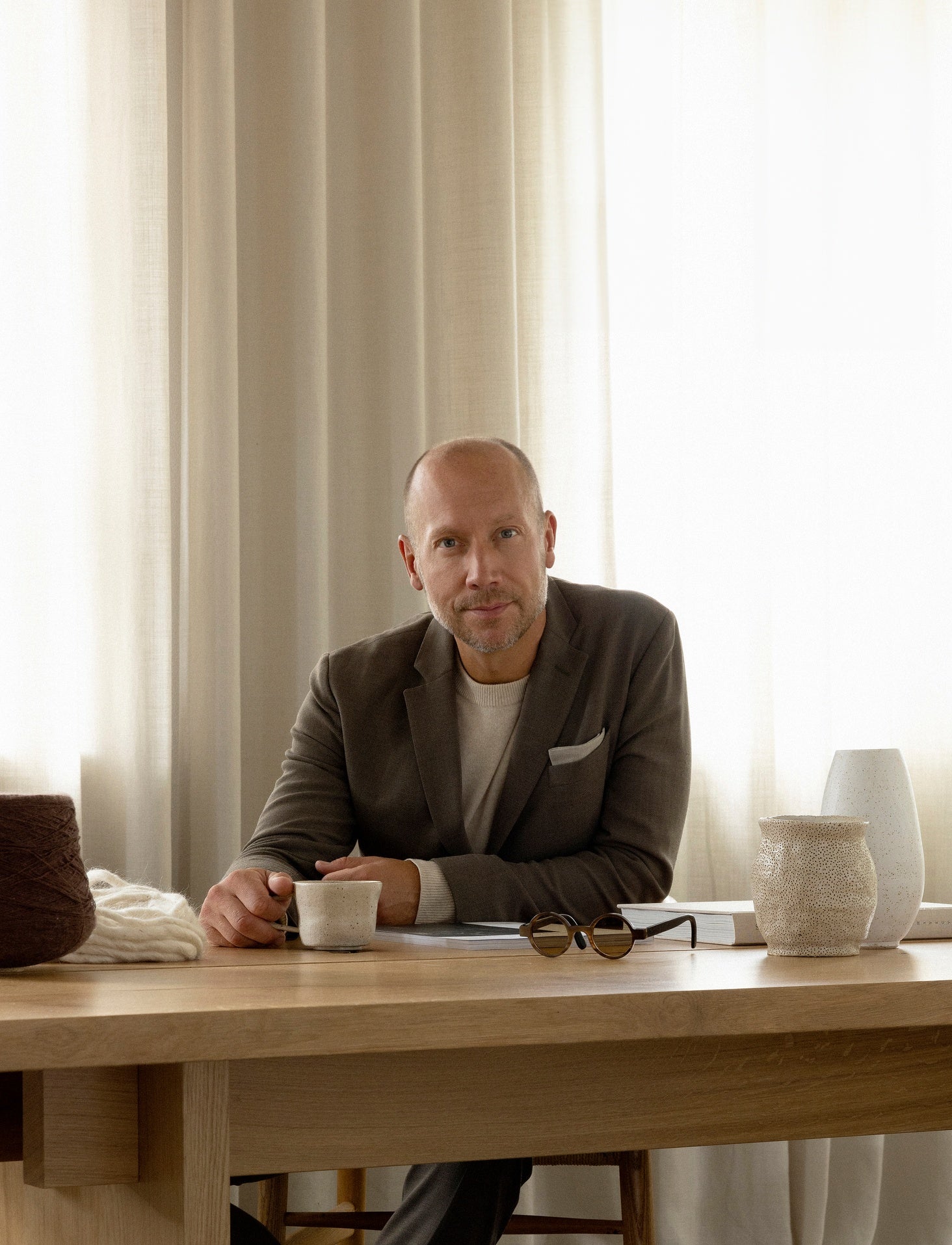
A conversation with Jonas Bjerre-Poulsen, Architect MAA, Photographer & Partner at Norm Architects
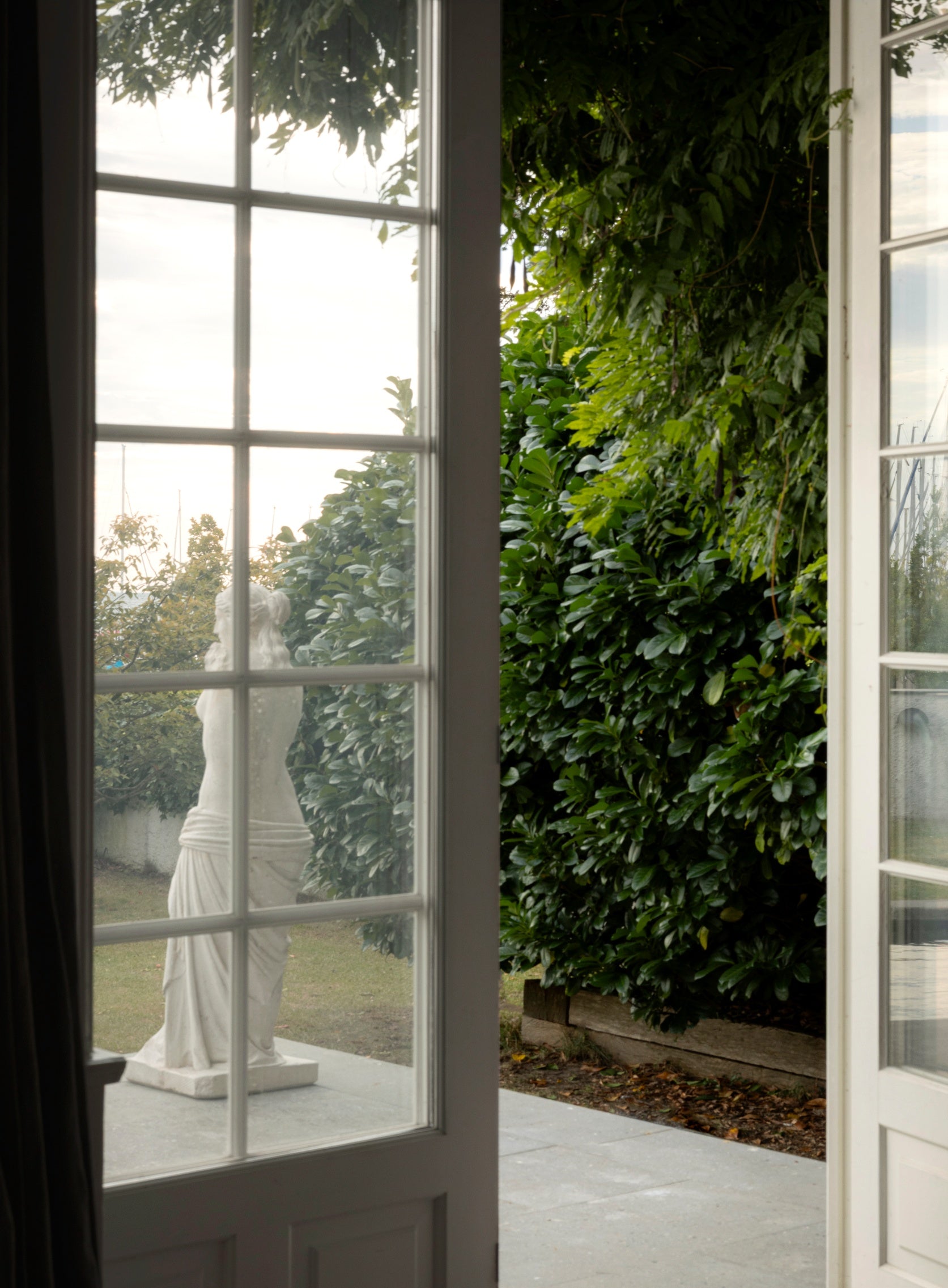
In Vedbæk, north of Copenhagen, Jonas Bjerre-Poulsen has restored Rosenhøj – a house originally designed in 1911 by H. Wright and E.V. Marston. The ambition, he explains, “has never been to recreate the past, but to clarify it.”
Rather than reconstructing history, the restoration focused on identifying the most distinct historical elements and allowing them to stand with renewed clarity. Contemporary interventions were deliberately introduced in a calm, understated manner – “so they underline the house’s character rather than compete with it.”
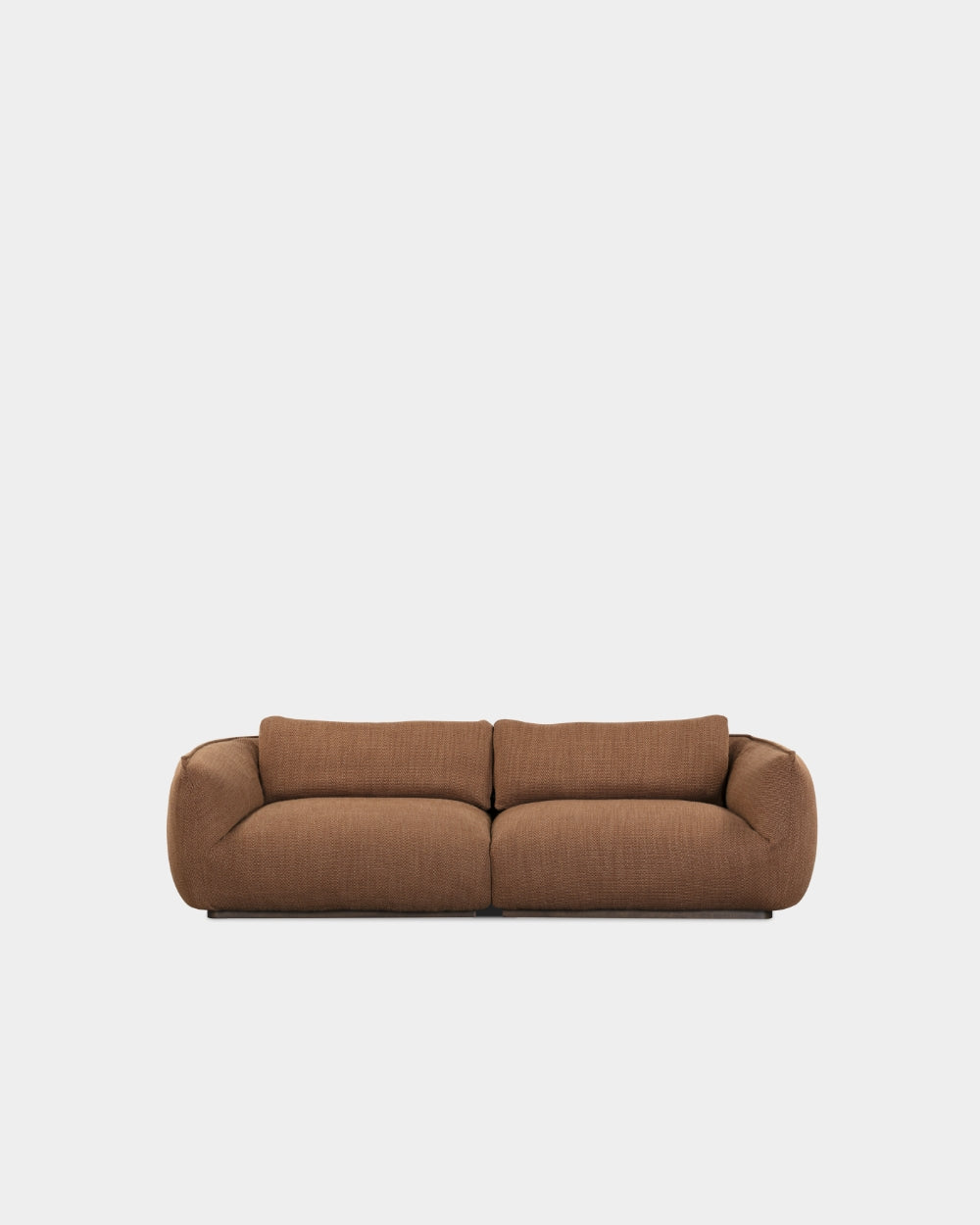
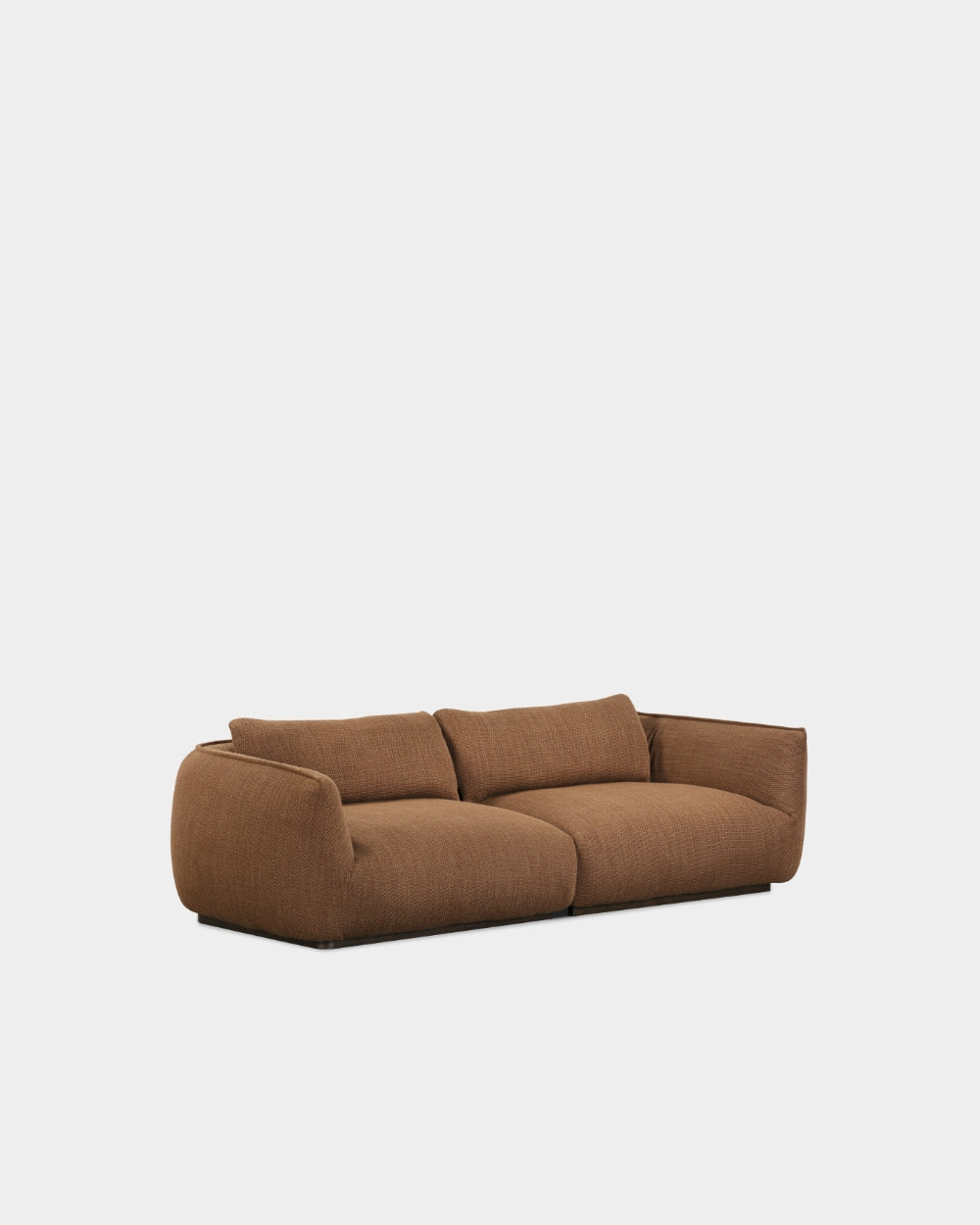
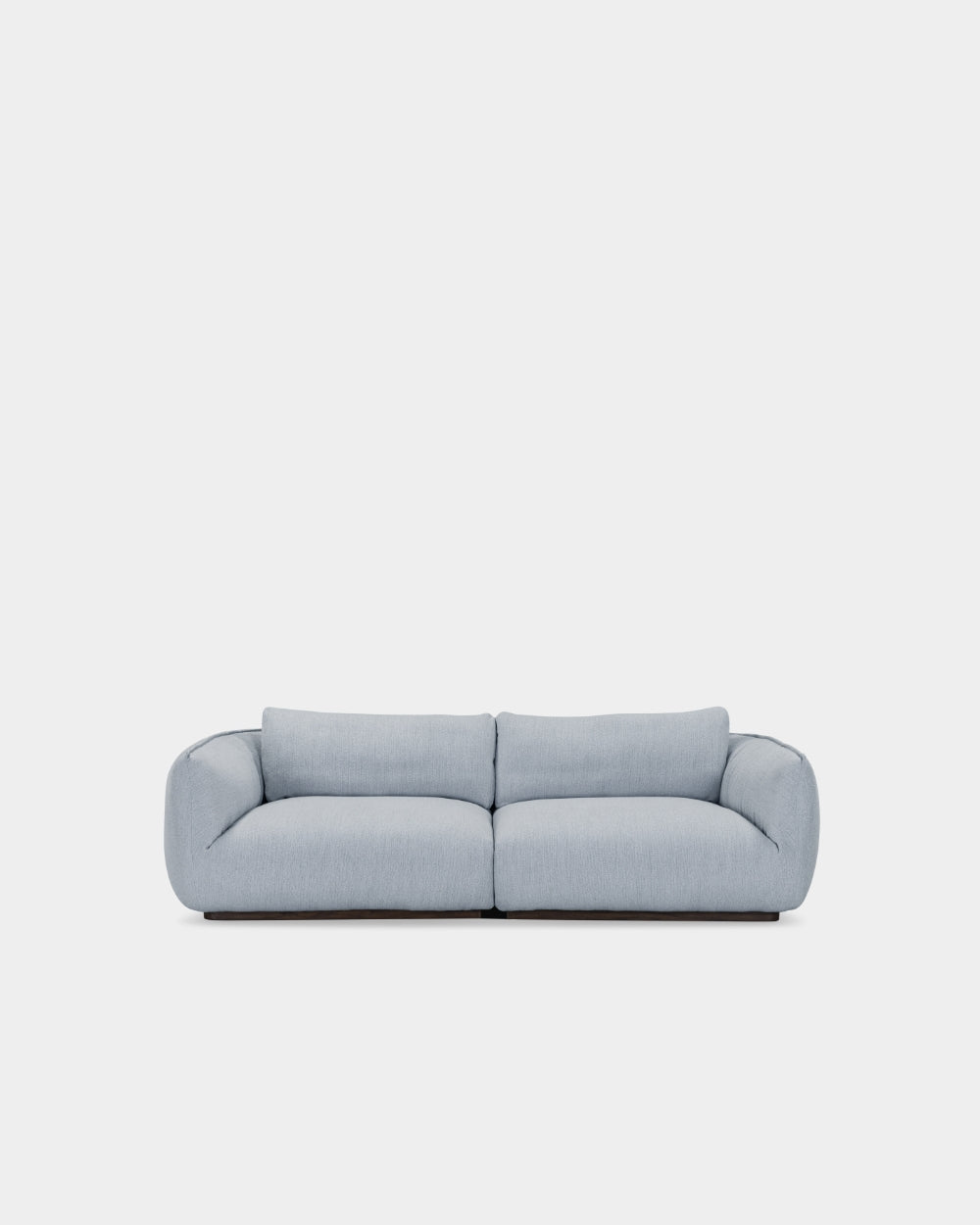
Within this layered architectural setting, the Ridge Sofa – designed by Norm Architects for Wendelbo and unveiled during 3daysofdesign in 2025 – has found its place.

An anchor in the room
When introducing Ridge into Rosenhøj, Jonas approached it with the same discipline that guided the restoration.
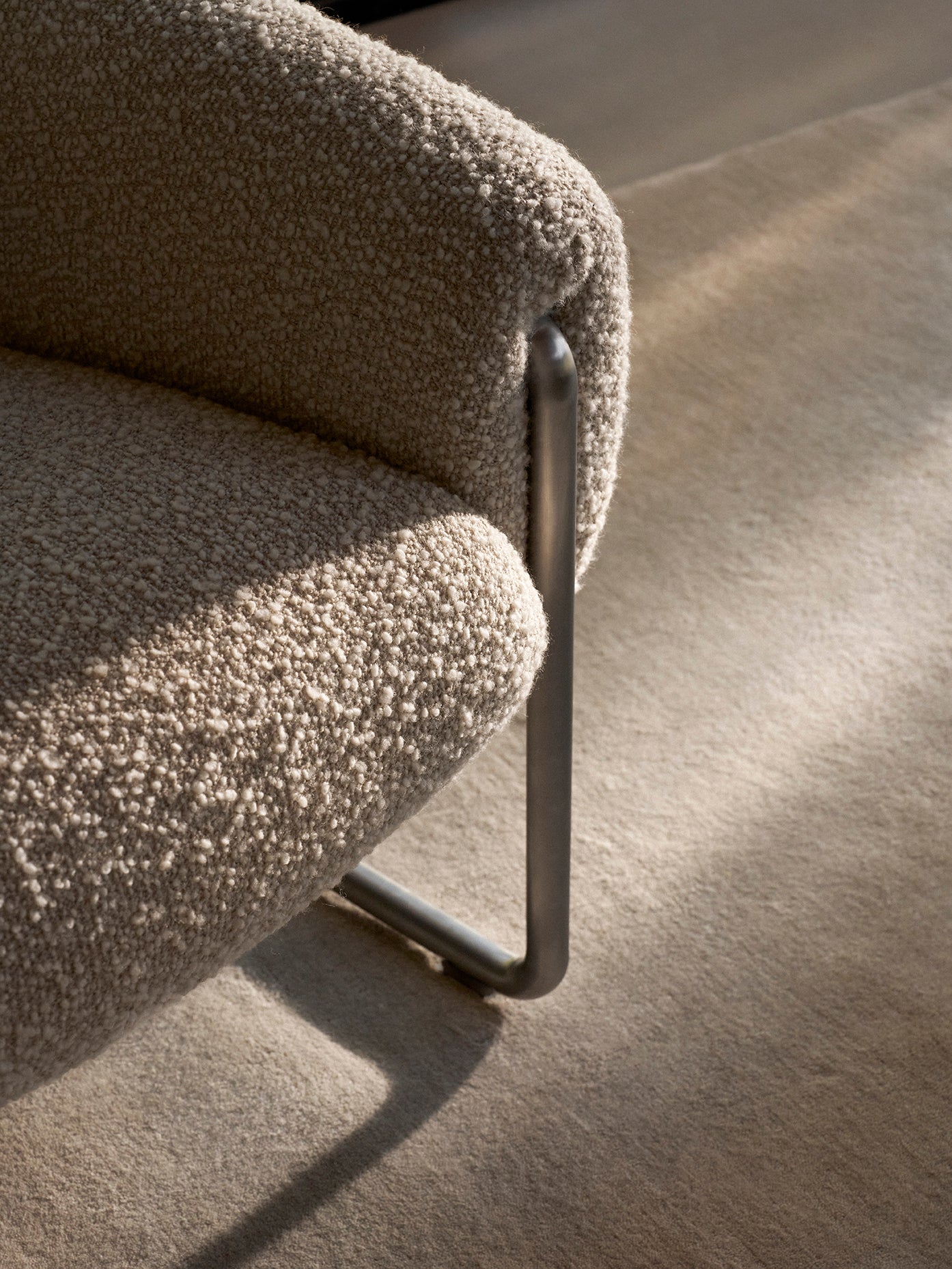
“Materiality must feel honest and tactile,” he says, “capable of ageing with dignity alongside the patinated walls and magnesite floors.” For him, longevity is essential – not only in durability, but in presence. “A sofa in such a setting cannot be overly expressive. It needs a certain architectural stillness.”
The house carries a strong identity, with ornamental details shifting between neoclassicism and early Art Deco, and a narrative richness shaped by time. Against this architectural backdrop, Jonas sought something composed and quietly confident. Ridge’s sculpted, unified form introduces order without imposing itself. “It acts almost as an anchor within the room,” he reflects.
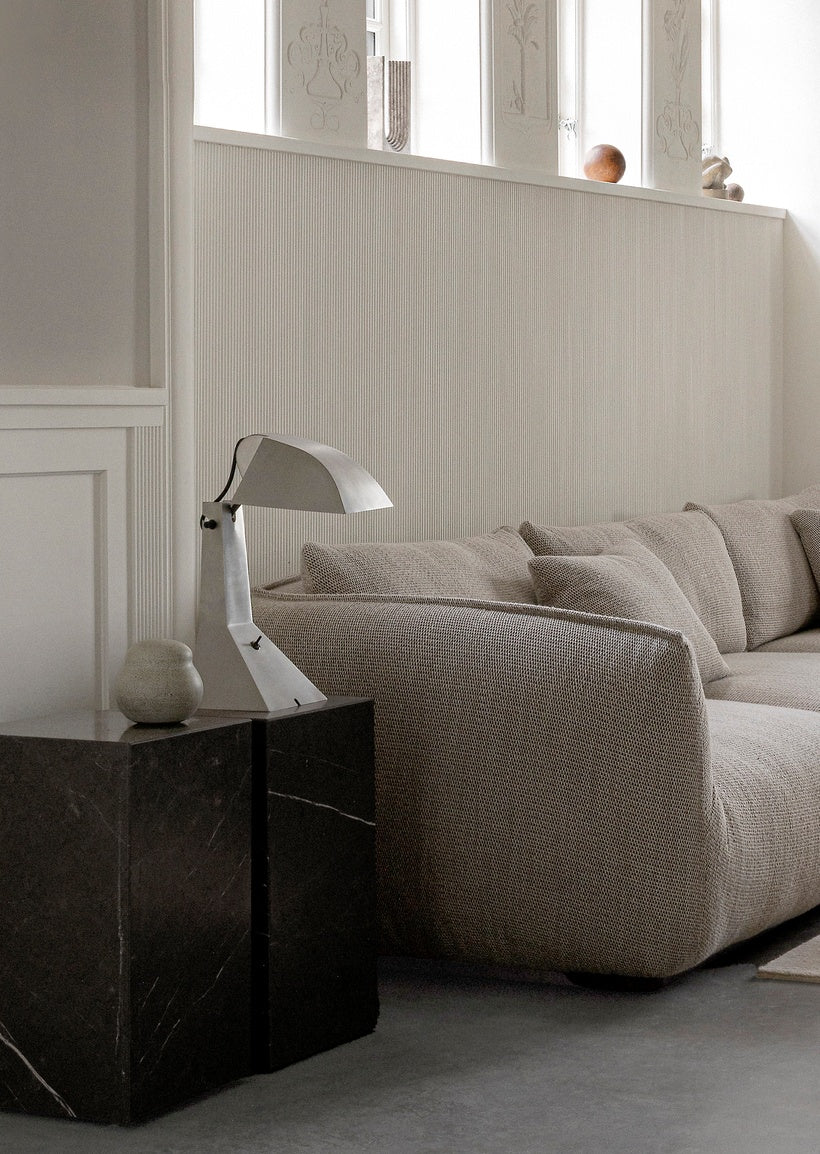
Rather than referencing history directly, the sofa offers contrast and clarity. Its clean, contemporary uniformity allows it to settle naturally into the space – calm, yet distinct. At the same time, its comfort remains inviting. “It has a casual and welcoming quality,” Jonas notes, “which softens the architectural context and makes room for everyday family life.”
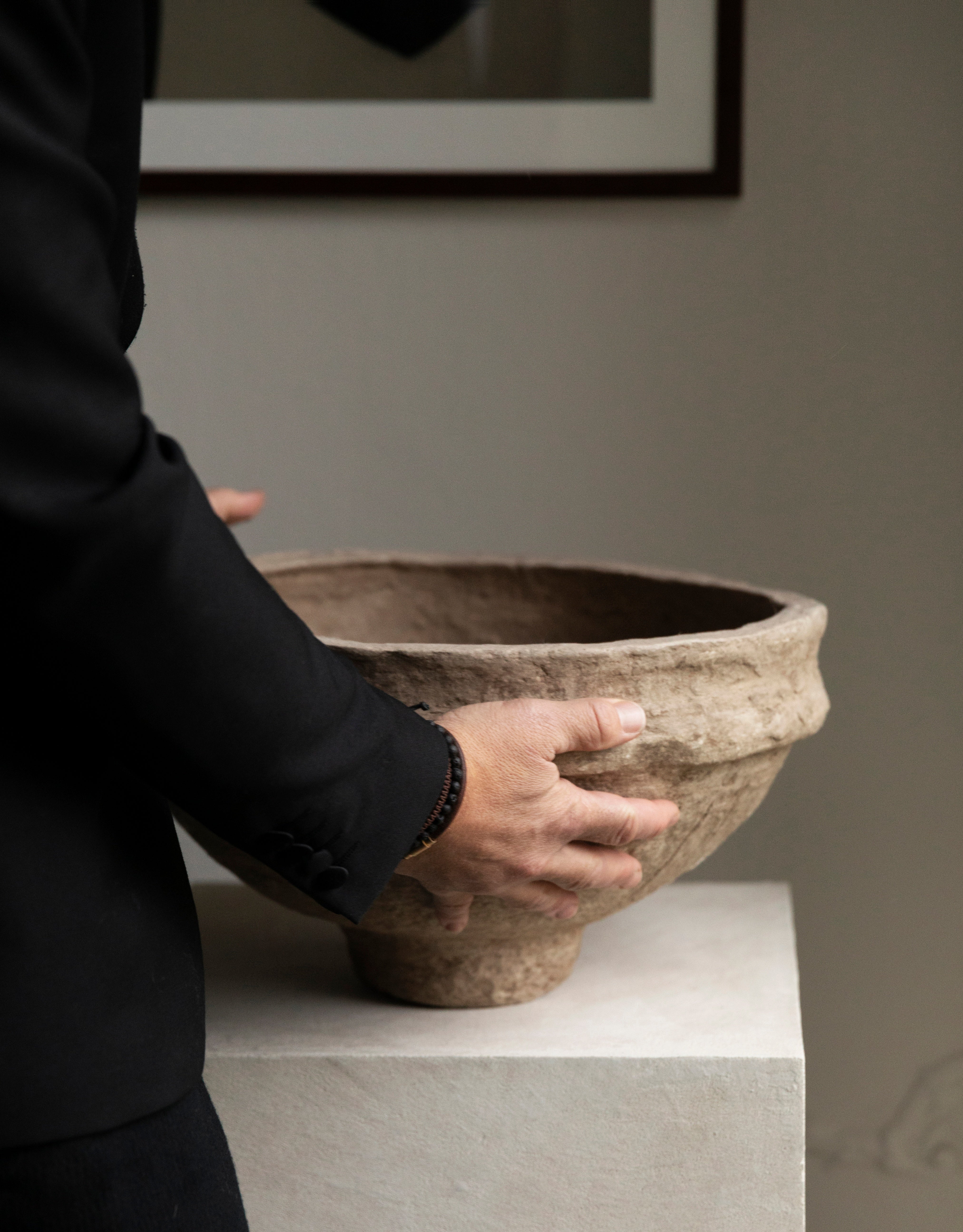
“It has a casual and welcoming quality, which softens the architectural context and makes room for everyday family life.”

The inner dialogue
Designing one’s own home brings a different set of challenges.
“For a client, the process is guided by dialogue – by translating someone else’s life, routines, and aspirations into spatial decisions,” Jonas explains. “In your own home, there is no external brief to respond to.”
The responsibility becomes more personal.
The inner dialogue more demanding. “Restraint can be more challenging. When the decisions are your own, there is a temptation to experiment or to layer too much.”

Yet this personal context also provides freedom. He often uses his own houses as experimental spaces to test new materials and ideas. Over time, daily use becomes the true measure. “Only through everyday life do you discover whether designs really meet your needs and are successful in the long run.”
That long-term perspective – where material honesty, comfort, and architectural clarity must endure beyond first impressions – is what connects the house to the furniture within it. In Ridge, craftsmanship and form are resolved into a single, composed gesture and within Rosenhøj, the sofa does not seek to define the space; it supports it. A contemporary counterpoint shaped with restraint – and intended, like the house itself, to age with quiet dignity.
Images courtesy of Jonas Bjerre-Poulsen and Norm Architects
“Only through everyday life do you discover whether designs really meet your needs and are successful in the long run.”
Designs by Norm Architects


Mod. 1 + 2
Mod. 1 + 2
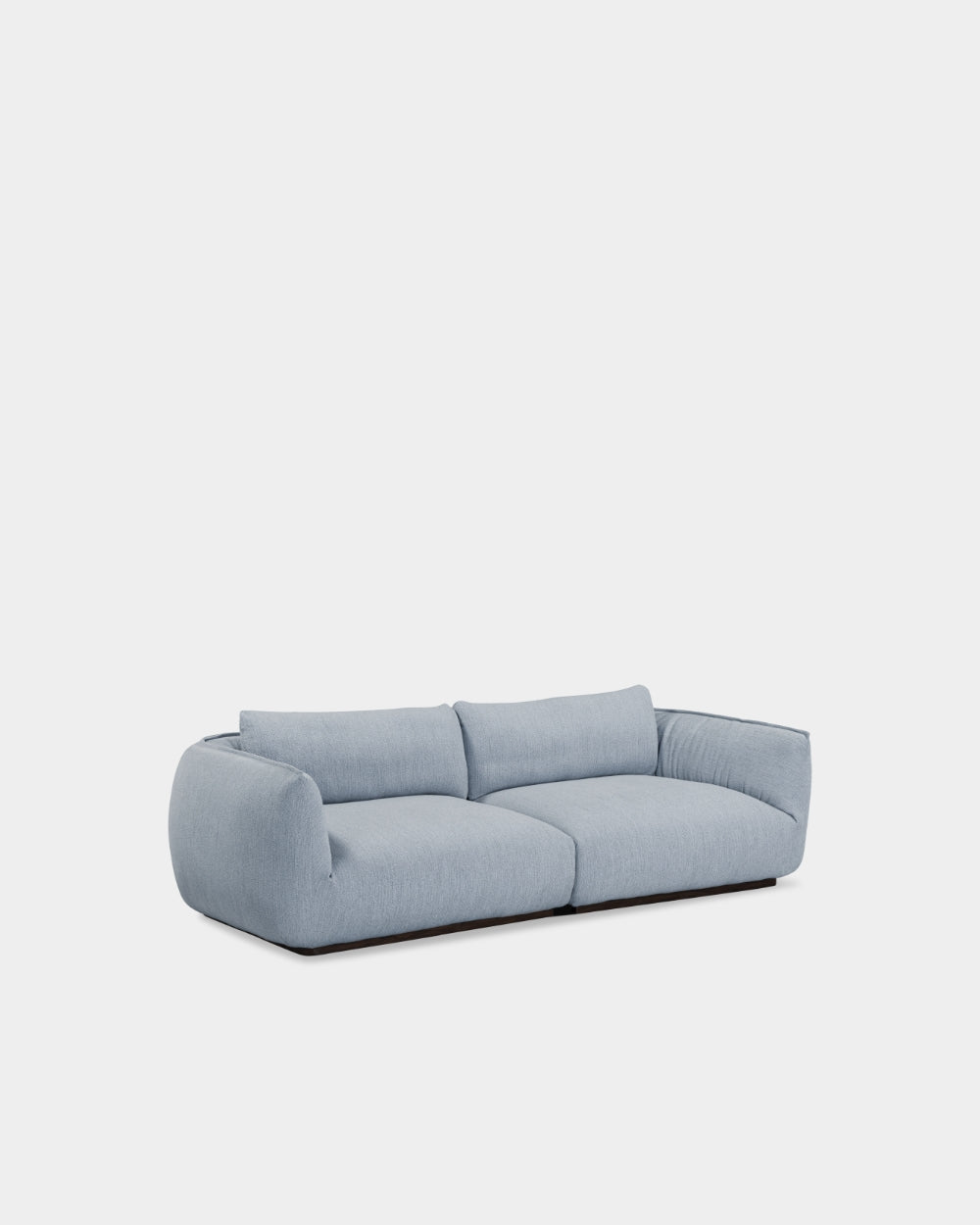
Mod. 1 + 2
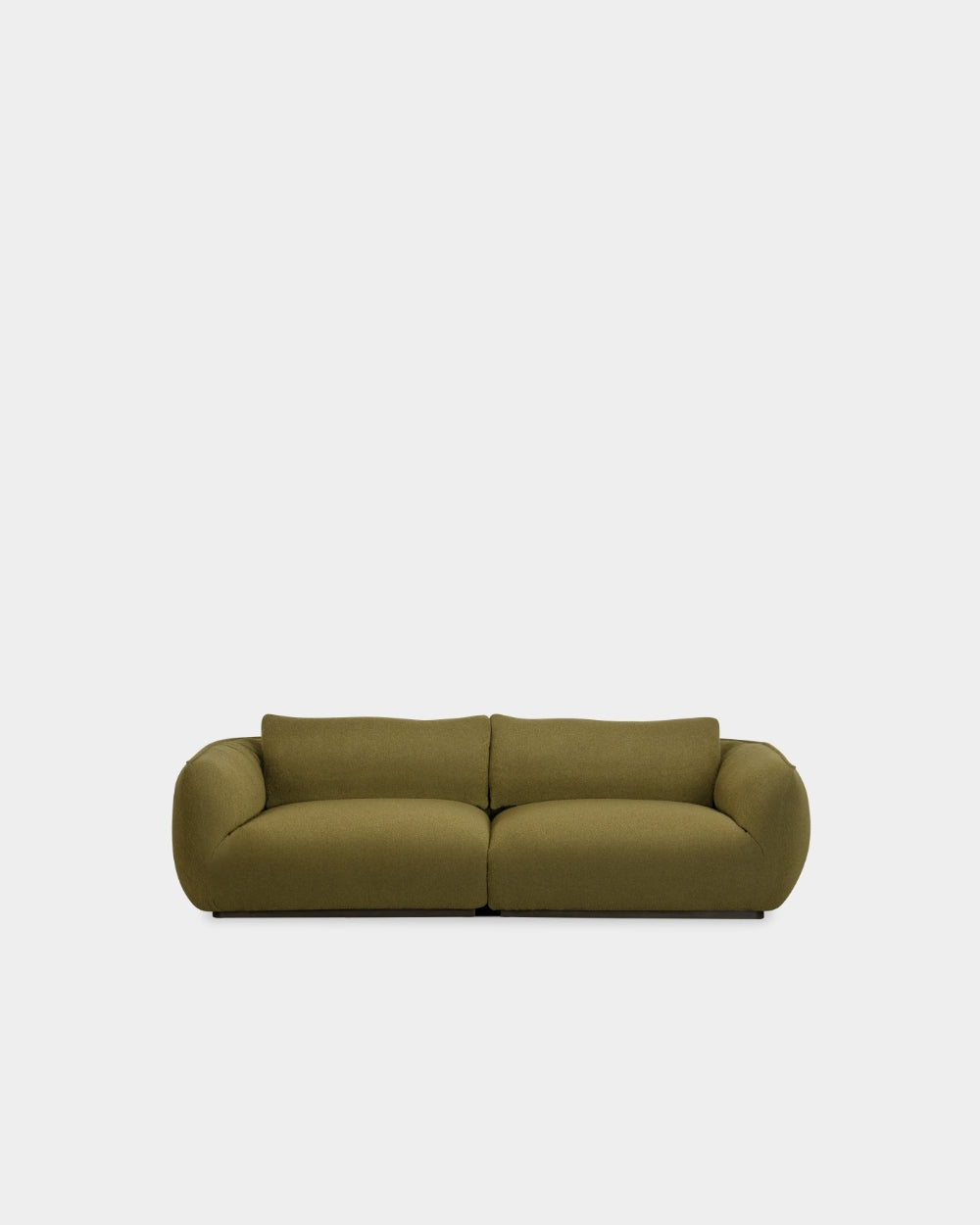
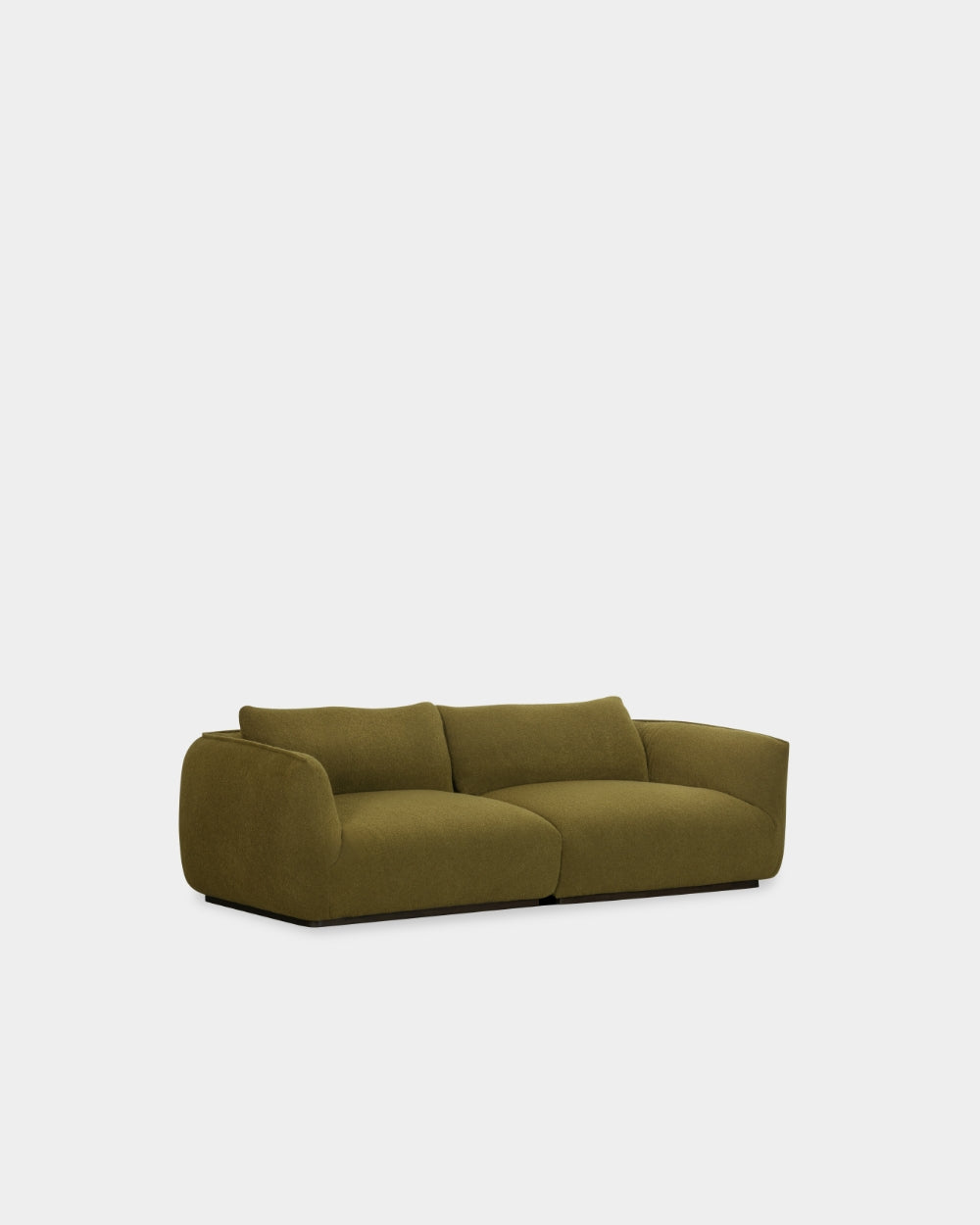
Mod. 1 + 2